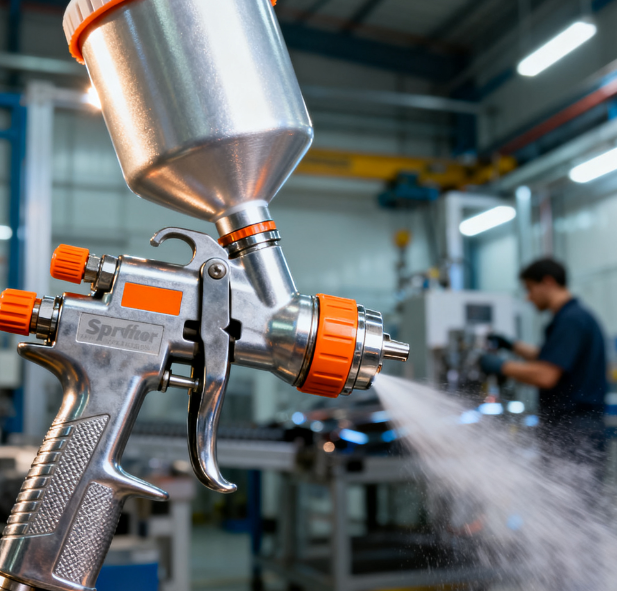
What Is a Spray Gun A spray gun is a handheld tool that atomizes paint, coating, or finishing mater...
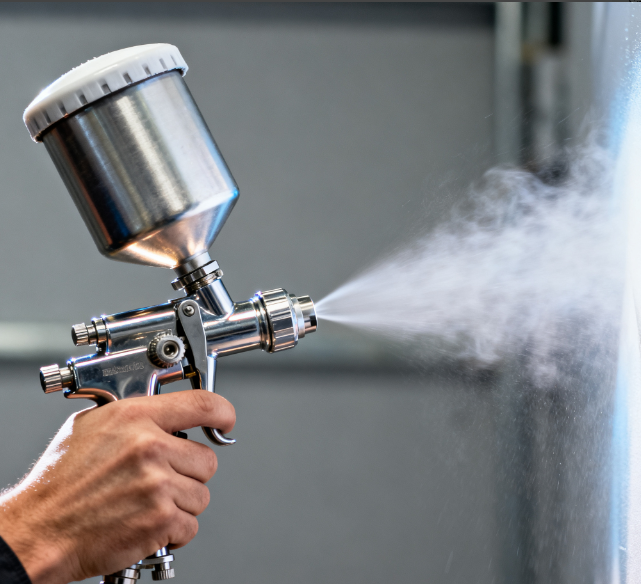
Setting Spray Gun Pressure Starts With Matching PSI to Your Gun Type The correct spray gun pressure...
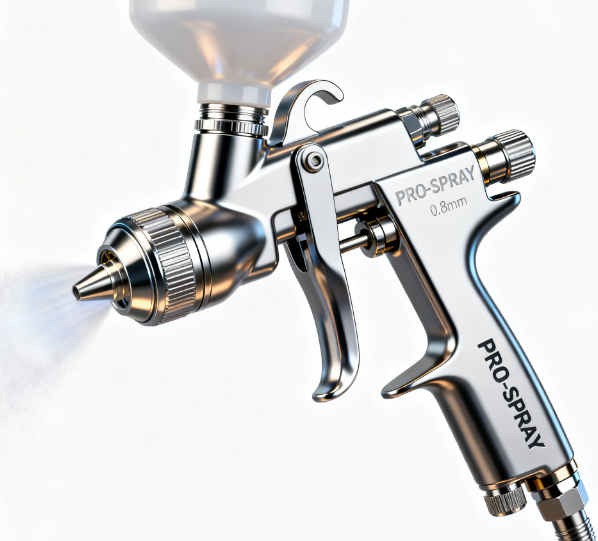
The Short Answer: Eight Mistakes That Ruin an HVLP Spray Gun Purchase Most disappointing spray fini...
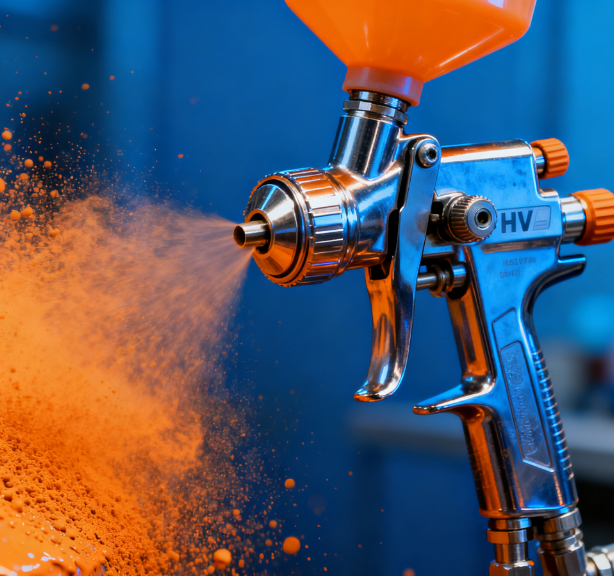
The Short Answer: Lower Pressure Atomization Is What Cuts Paint Waste An HVLP spray gun reduces pai...
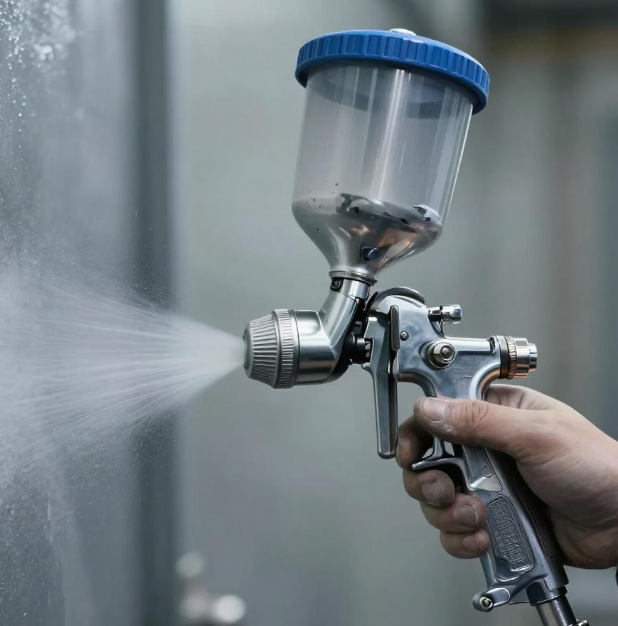
The right spray gun depends on three factors working together: atomization technology, nozzle size,...
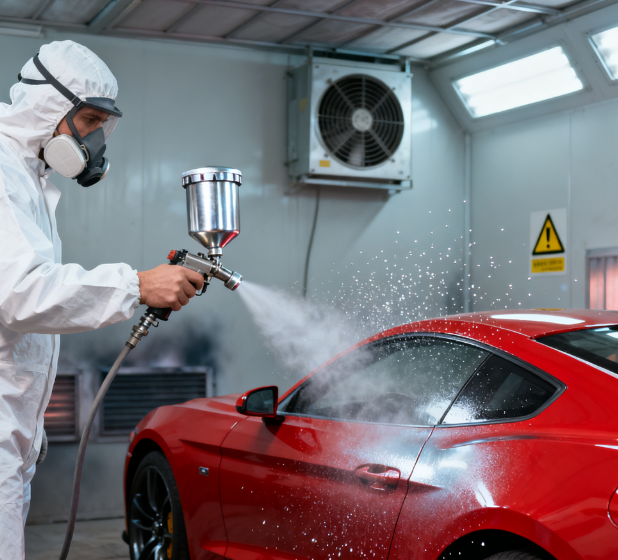
To paint a car with a spray gun, the core process is: properly prepare and mask the surface, set up...
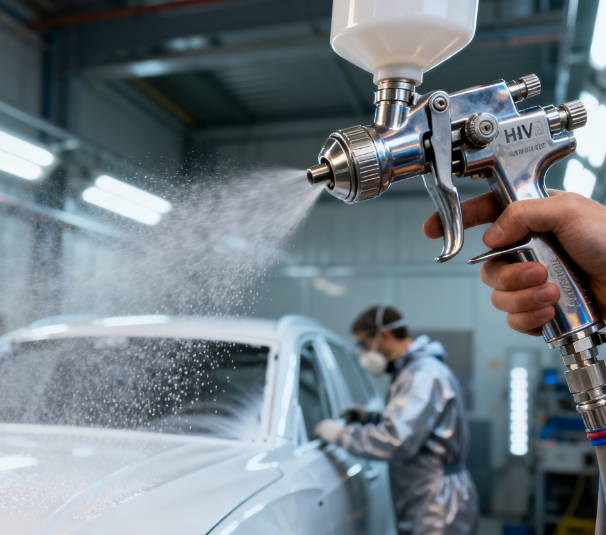
Setting up a paint gun correctly is the single most important factor in achieving a smooth, even fi...
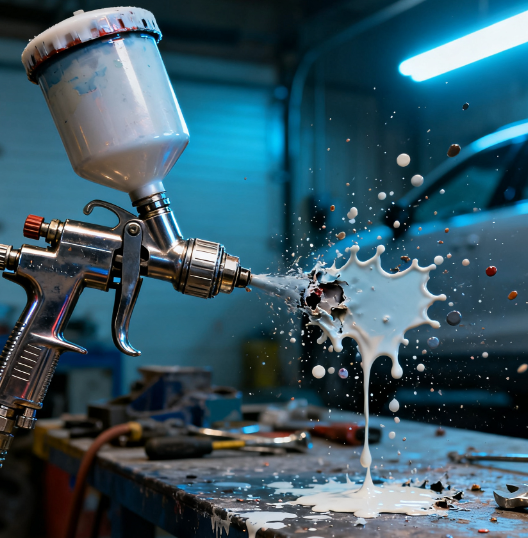
A spray gun spits paint primarily because of air entering the fluid passageway, a loose or damaged ...
You set the air pressure, opened the fluid knob halfway, and pulled the trigger—then the gun spattered like a fountain pen and left a dry, dusty strip down the center of the panel. That is rarely a defective tool. It is almost always a setup problem. Here is the conclusion up front: adjust a paint ...
Your spray gun spits, the film sags, and the surface comes out with the telltale orange-peel texture. Most users blame the gun. In practice, the fault is usually setup: wrong air pressure, too much fluid, or a fan width that was never dialed in. Every air spray gun has three adjustments, and they i...
The same gun, the same paint, the same painter: one cabinet door comes out glass-smooth, and the next one wears orange peel with a sag along the bottom edge. In practice, almost every disappointing spray finish traces back to four adjustable variables: paint viscosity, air pressure, spray distance ...
Fax: +86-574-88068788
Add: Hengxi Industrial Zone, Yinzhou, Borough, Ningbo, China, 315131

Copyright © 2021 Ningbo Lis Industrial Co., Ltd. Login Paint Spray Guns Suppliers

 Search
 English
 中文简体
中文简体 Deutsch
 Español