 Search
 English
 中文简体
中文简体 Deutsch
 Español
Content
- 1 What Is a Spray Gun
- 2 How a Spray Gun Works
- 3 Common Types of Spray Guns
- 4 Spray Gun PSI and Pressure Settings
- 5 How to Adjust a Spray Gun
- 6 Choosing the Right Nozzle and Tip Size
- 7 Pressure and Transfer Efficiency
- 8 Comparing Gravity HVLP and Conventional Siphon Guns
- 9 Where Spray Guns Are Used
- 10 Spray Gun Maintenance and Care
- 11 Sourcing Spray Guns From a Manufacturing Company
- 12 Frequently Asked Questions
What Is a Spray Gun
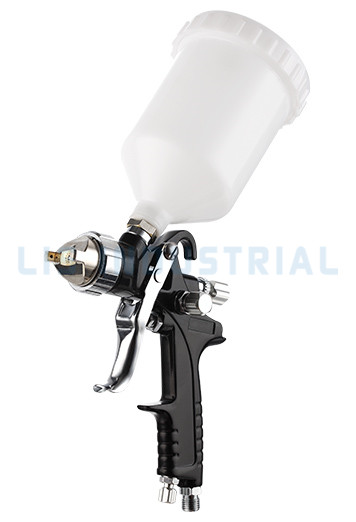
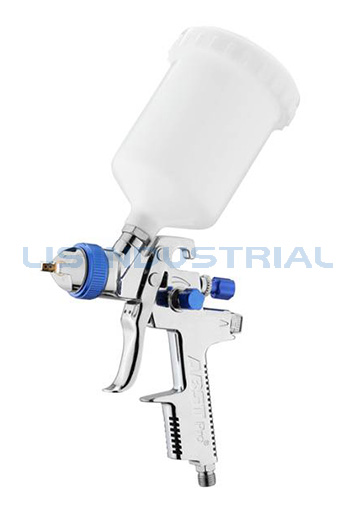
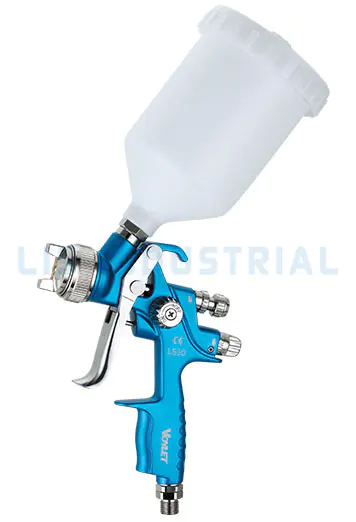
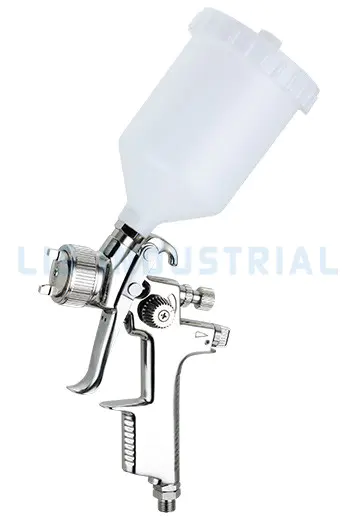
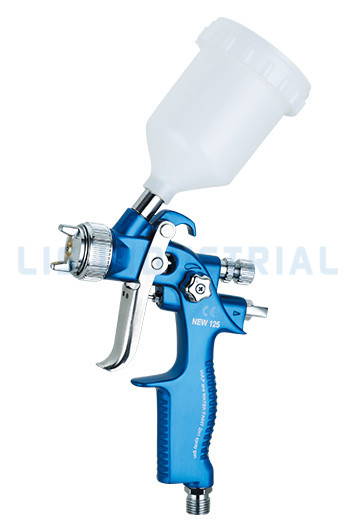
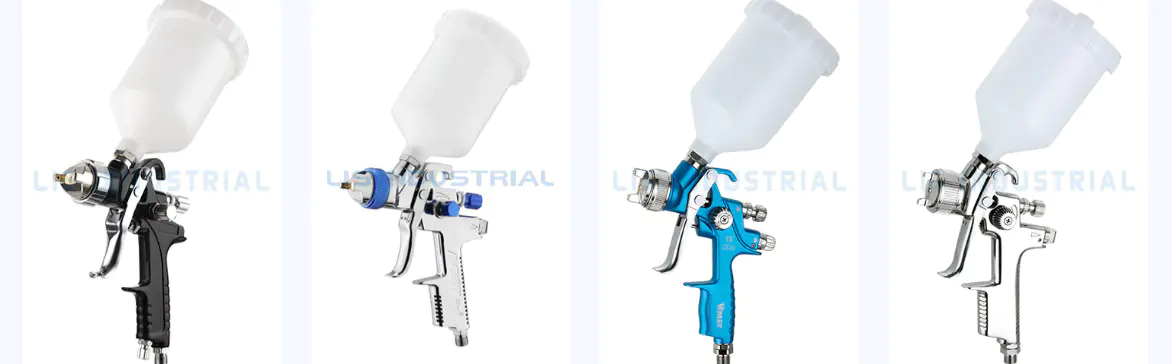
A spray gun is a handheld tool that atomizes paint, coating, or finishing material into a fine mist and directs it onto a surface through a controlled pattern of compressed air or hydraulic pressure. Instead of applying material with a brush or roller, a spray gun breaks liquid coating into tiny droplets and carries them onto the target surface, producing a smoother and more even film. This basic mechanism is used across furniture finishing, automotive refinishing, metal fabrication, marine coating, and general industrial painting.
The core idea behind every spray gun for painting is the same: fluid meets a stream of air near the nozzle, breaks apart into droplets, and is guided onto the workpiece in a controlled fan or round pattern. What changes between models is how the fluid is delivered to the nozzle, how much air pressure is used, and how the gun balances finish quality against material transfer efficiency. Understanding these differences helps operators select equipment that matches the coating, the substrate, and the working environment.
Spray guns are widely used because they cut application time on large or detailed surfaces and produce a more consistent surface texture than manual methods. A painting spray gun can be adjusted for a wide fan pattern to cover open panels quickly, or narrowed for detail work around edges, corners, and trim. This flexibility is one reason spray guns remain the standard tool in professional coating shops and manufacturing lines.
How a Spray Gun Works
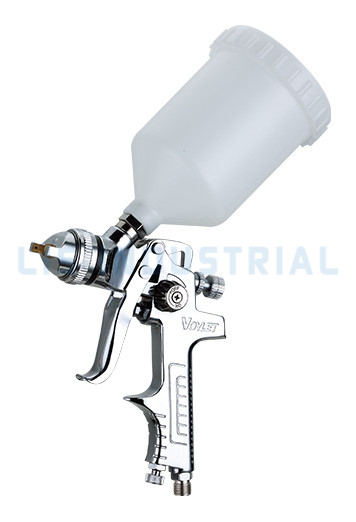
Every compressed air paint spray gun relies on a small set of components working together: an air cap, a fluid nozzle, a needle, a trigger, and an air passage connected to a compressor or turbine. When the trigger is pulled, air begins to flow first, followed by fluid release as the needle retracts from the nozzle seat. The two streams meet just outside the air cap, where the fluid is torn into droplets and shaped into a pattern by the surrounding air jets.
Main Components
- Air cap: shapes the spray pattern using side and center air holes
- Fluid nozzle and needle: control how much material passes through per second
- Trigger: a two stage control that releases air first, then fluid
- Fluid adjustment knob: sets how far the needle can retract
- Pattern adjustment knob: switches between round and fan spray shapes
- Air inlet: connects the gun to a hose, compressor, or turbine unit
The relationship between air volume and fluid volume determines atomization quality. Too much air relative to fluid produces excessive overspray and dry film texture, while too little air leaves the coating heavy and prone to sagging. This is why spray gun pressure and fluid output are almost always adjusted together rather than in isolation, and why operators are trained to treat the two controls as a matched pair rather than separate settings.
Common Types of Spray Guns
Spray guns are generally grouped by how fluid reaches the nozzle. The three most common categories used in workshops and production lines are gravity feed, siphon feed, and pressure feed guns, each suited to different volumes of coating and different working postures.
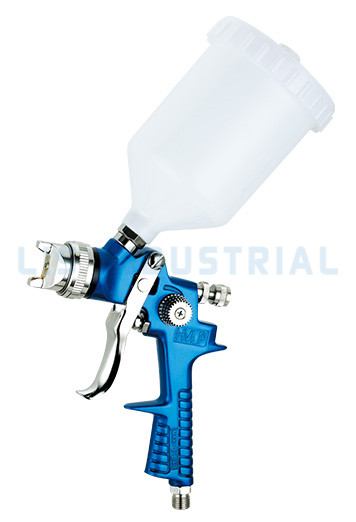
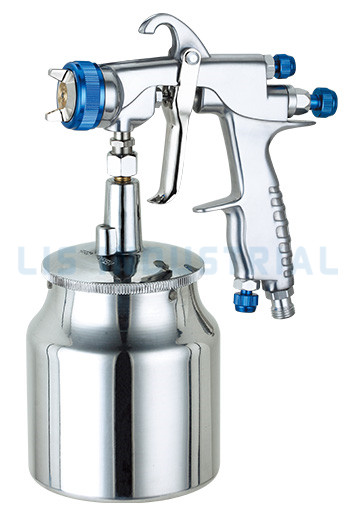
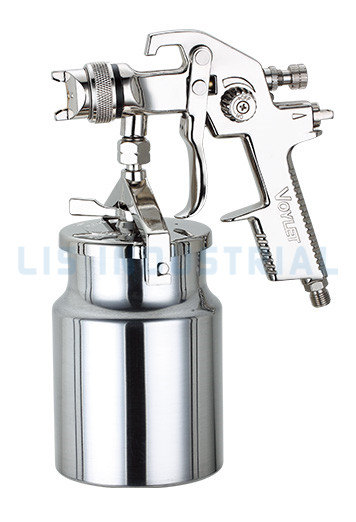
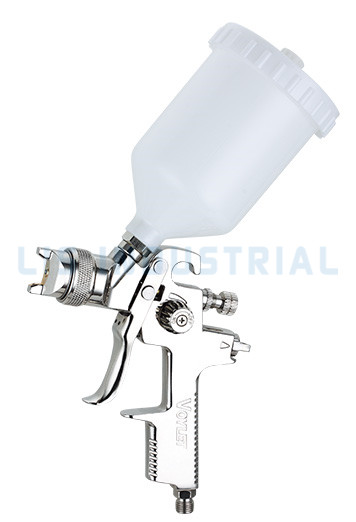
A gravity paint spray gun holds its material in a cup mounted on top of the gun body, allowing fluid to drop into the nozzle by gravity alone. This design uses less air to move fluid, which tends to improve transfer efficiency and makes the gun easier to clean since most coating drains out of the cup naturally. Siphon feed guns instead pull material upward from a cup mounted below the gun using the vacuum created by fast moving air, a layout that was common on older conventional spray equipment. A pressure feed spray gun is connected to a separate pressurized tank or pump, which pushes material through a hose into the gun. This setup is preferred for continuous production spraying, large surface areas, or thicker coatings that would be difficult to lift by gravity or vacuum alone.
| Feed Type | Typical Cup or Supply Position | Best Suited For | Cleaning Effort |
|---|---|---|---|
| Gravity Feed | Cup mounted on top | Detail work, small to mid panels | Low |
| Siphon Feed | Cup mounted below | General purpose spraying | Moderate |
| Pressure Feed | Remote pressurized tank | Large surfaces, continuous production | Higher, due to hose lines |
Spray Gun PSI and Pressure Settings
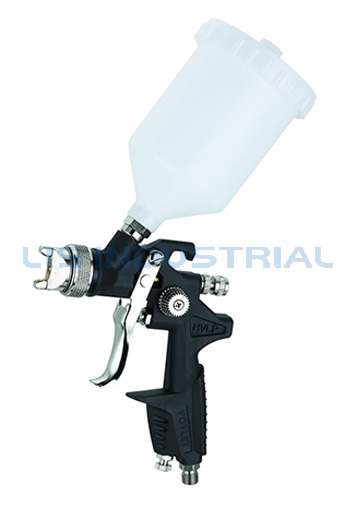
Spray gun psi is one of the most searched settings among new and experienced painters, and for good reason: pressure that is too high or too low changes the entire result of a coating job. Paint sprayer psi refers to the air pressure delivered to the gun, usually measured at the air inlet or at the air cap depending on the gun type. Conventional spray guns generally run at a higher inlet pressure, while HVLP and LVLP guns are designed to atomize material effectively at lower pressure, which reduces overspray and improves how much coating actually lands on the surface.
As a general reference point used across many finishing trades, conventional guns commonly operate near 40 to 50 psi at the inlet, pressure feed guns are adjusted anywhere from 20 to 50 psi depending on tip size and material viscosity, HVLP guns are typically set closer to 28 to 32 psi at the inlet to reach roughly 10 psi at the air cap, and LVLP guns run lower still, often in the 20 to 25 psi range. These figures vary by manufacturer and by the specific fluid tip fitted to the gun, so the psi for paint sprayer equipment should always be checked against the gun documentation and adjusted for the coating in use.
Chart 1. General reference range for inlet air pressure by spray gun type, shown in pounds per square inch
Adjusting pressure is closely tied to the paint sprayer pressure regulator fitted to the compressor line or, on some gravity guns, a built in regulator at the base of the handle. Setting spray gun pressure slightly below the maximum recommended value and testing on scrap material before working on the final surface is a common practice among professional painters, since it allows fine tuning of paint gun pressure without wasting coating on the actual workpiece.
How to Adjust a Spray Gun
Learning how to adjust a paint sprayer starts with understanding the three controls found on nearly every modern gun: the fluid knob, the air cap or pattern knob, and the inlet pressure regulator. Spray gun adjustment is rarely a single step, since each control affects how the others behave once air and fluid meet at the nozzle.
Basic Adjustment Sequence
- Set the compressor or regulator to the psi for spray gun listed in the equipment guide for the fluid tip installed
- Open the fluid control knob fully, then close it about one full turn to start with a moderate output
- Test spray onto scrap material using a round pattern to check droplet size before shaping the fan
- Turn the pattern knob to widen or narrow the fan shape based on the size of the surface being coated
- Fine tune the fluid knob until the pattern shows even coverage without heavy edges or thin centers
- Recheck pressure after any fluid change, since thicker material often needs a small pressure increase
Knowing how to adjust a spray paint gun also means reading the spray pattern itself. A pattern that is heavier on one side usually points to a partially blocked air hole in the cap, while a pattern that is too narrow for the panel being coated often means the fan control is closed too far. Small adjustments, tested in short bursts on scrap material, tend to produce better results than large changes made all at once.
Choosing the Right Nozzle and Tip Size
The fluid tip, sometimes called the nozzle, controls how much material passes through the gun per pass and directly affects both finish quality and air consumption. Smaller tips are suited to thin, fast drying materials such as stains and lacquers, while larger tips are needed for thicker coatings such as primers, textured finishes, or heavy bodied industrial paints.
| Table 2. General nozzle tip size guide by material type | ||
| Tip Size | Material Viscosity | Common Use |
| 1.0 to 1.2 mm | Thin | Stains, lacquers, dyes |
| 1.3 to 1.4 mm | Light to medium | Basecoats, clear coats |
| 1.5 to 1.7 mm | Medium | General topcoats, furniture finishes |
| 1.8 to 2.0 mm | Medium to heavy | Primers, sealers, textured coatings |
Chart 2. General reference for air consumption in cubic feet per minute by nozzle tip size
Pressure and Transfer Efficiency
Transfer efficiency describes how much of the sprayed material actually lands on the surface rather than drifting away as overspray. This figure changes with paint gun pressure, and understanding the pattern helps operators reduce material waste without sacrificing finish quality. Set too high, pressure atomizes material well but pushes a larger share of droplets past the target. Set too low, atomization becomes poor and the surface finish suffers even though less material is lost to the air.
Chart 3. Approximate transfer efficiency trend across spray pressure settings, shown as a general reference pattern
The chart above illustrates a pattern commonly described in finishing trade references: HVLP style guns tend to reach a peak transfer efficiency in the lower to middle part of their pressure range, then taper off as pressure climbs further, while conventional guns hold a comparatively flat and lower efficiency curve across the same pressure span. This is one reason many shops that switched from conventional to HVLP equipment noticed less material settling on floors, walls, and ventilation filters, since more of the coating stayed on the intended surface.
Comparing Gravity HVLP and Conventional Siphon Guns
Choosing between gun styles often comes down to how each performs across a handful of practical factors rather than a single number. The radar chart below lines up a gravity feed HVLP gun against a conventional siphon feed gun across five factors that painters commonly weigh before buying or renting equipment.
Chart 4. General comparison of gravity feed HVLP guns against conventional siphon feed guns across five practical factors
As the chart shows, a gravity feed HVLP gun generally scores higher on finish quality, overspray control, transfer efficiency, and cleaning ease, which explains its popularity in furniture and automotive refinish work. A conventional siphon gun tends to score higher on versatility, since it can handle a broader range of material viscosities and volumes without switching equipment, which keeps it in use for certain industrial and maintenance painting tasks.
Where Spray Guns Are Used
Spray guns for painting appear across a wide range of industries, each with its own coating requirements and working conditions. Furniture and cabinet shops rely on gravity feed guns for lacquers and stains where surface smoothness matters most. Automotive refinish shops depend on HVLP and LVLP guns for basecoats and clear coats where overspray control affects both finish quality and shop cleanliness. Metal fabrication and structural steel painting often use pressure feed systems paired with larger tips to move heavier protective coatings efficiently across large surfaces. Marine coating work frequently combines pressure feed equipment with specialized tips suited to thick, protective hull coatings applied outdoors.
General maintenance and facility painting, including fences, machinery, and equipment housings, often uses conventional or pressure feed guns because of their tolerance for a wider range of material types without frequent tip changes. Across all of these settings, the choice of painting gun usually reflects a balance between the surface area being covered, the coating viscosity, and how much time can be spent on setup and cleanup between jobs.
Spray Gun Maintenance and Care
Regular cleaning is the single most important habit for keeping any spray gun performing consistently. Material left inside the fluid passage or air cap holes hardens over time and changes the spray pattern, often long before the gun shows any other sign of wear. Disassembling the air cap and needle after each use, rinsing fluid passages with an appropriate cleaning solvent, and wiping down the exterior helps keep a painting spray gun ready for the next job.
Basic Maintenance Habits
- Flush the fluid passage immediately after finishing a coating session
- Soak the air cap separately to clear small air holes without scratching them
- Check the needle and seal for wear if the trigger feels loose or inconsistent
- Store the gun with the fluid cup empty and the trigger unlocked
- Inspect gaskets and o rings periodically, since dried material can cause small leaks
Consistent maintenance also protects the accuracy of pressure settings. A partially blocked nozzle can make a gun behave as though the psi for paint sprayer equipment is set incorrectly, when the real issue is restricted flow. Keeping the gun clean removes this variable and makes future adjustments more predictable.
Sourcing Spray Guns From a Manufacturing Company
Businesses that need to source spray gun equipment in volume, whether for retail distribution, private label programs, or internal production lines, typically look for a manufacturing partner with in house research, tooling, and assembly capability rather than a general trading supplier. Working directly with a spray gun manufacturing company allows buyers to discuss nozzle configurations, cup materials, trigger mechanisms, and packaging in detail, and to adjust specifications for different regional markets.
Ningbo Lis Industrial Co., Ltd. has been engaged in the research, development, manufacturing, and marketing of air painting spray gun series, mini air compressors, and related air tools since it was established in 1984. The company is based in Ningbo, a port city with a long industrial history and a well developed supply chain for metal and plastic components used in spray equipment. Covering a site of more than 400,000 square feet, the Spray Gun factory operates with a team of over 400 staff members and supports an annual output that reflects one of the larger production scales within the painting spray gun industry in China.
The production process at this Spray Gun factory covers raw material inspection, in process quality checks during assembly, individual functional testing of finished units, and a final inspection stage before packaging. This layered approach is intended to catch inconsistencies early, from fluid nozzle tolerances to trigger action, before products move to distribution. For companies planning to source spray gun products for long term supply relationships, this kind of vertically organized production, covering design, tooling, assembly, and testing under one roof, generally supports steadier lead times and easier communication about custom requirements compared with working through multiple intermediaries.
Buyers evaluating a spray gun manufacturing company often ask about tip and cap options, cup capacity ranges, compatibility with existing compressor setups, and packaging formats suited to their sales channel. Being able to walk through these details directly with an engineering and production team, rather than through several layers of resale, tends to shorten the back and forth needed to finalize a product specification.

Frequently Asked Questions
Why Is My Spray Gun Spitting
Spitting usually points to a loose air cap, a dry or damaged seal around the fluid nozzle, or air trapped in the fluid passage. Tightening the air cap, checking the nozzle seal, and making sure the cup lid vent is clear often resolves the issue.
Why Does My Spray Gun Leak
Leaks around the trigger area or fluid cup are commonly caused by a worn needle packing, a cracked cup gasket, or a loose fluid adjustment knob. Replacing the affected seal and checking that all fittings are seated correctly usually stops the leak.
Why Is My Spray Gun Not Spraying Evenly
Uneven output is often linked to a partially blocked air hole in the cap or a fluid tip that does not match the material viscosity being sprayed. Cleaning the cap thoroughly and confirming the tip size against the coating data sheet can restore even coverage.
Why Is My Spray Pattern Uneven
A pattern that is heavier on one side typically means one or more side air holes in the cap are clogged. Soaking and clearing each hole individually, rather than only the center hole, usually corrects the pattern shape.
Why Does Spray Gun Produce Orange Peel
An orange peel texture is often related to pressure that is too low for proper atomization, a gun held too far from the surface, or material that has not been thinned to the recommended viscosity. Adjusting spray gun pressure and gun distance together tends to smooth out the finish.
Why Is My Spray Gun Clogged
Clogging generally comes from material drying inside the fluid passage or air cap after a session without cleaning. Flushing the gun promptly after use and avoiding long idle periods with material still loaded helps prevent repeat clogging.
Why Does My Spray Gun Waste Paint
Excess material loss is often tied to pressure set higher than needed for the fluid tip in use, or a fan pattern wider than the surface being coated. Lowering paint gun pressure slightly and matching the pattern width to the panel size can reduce waste noticeably.
Why Is My Spray Gun Bubbling
Bubbling in the cup usually signals an air leak somewhere in the fluid path, often around the nozzle seat or a loose air cap. Checking that the nozzle is fully seated and the air cap is tightened correctly is the first step in tracing the leak.