 Search
 English
 中文简体
中文简体 Deutsch
 Español
Content
- 1 Mistake 1: Using the Wrong Viscosity Without Testing First
- 2 Mistake 2: Incorrect Air Pressure and Distance from the Surface
- 3 Mistake 3: Neglecting HVLP Spray Gun Maintenance
- 4 Mistake 4: Skipping Surface Preparation
- 5 Mistake 5: Choosing the Wrong Gun for the Application
- 6 About NINGBO LIS INDUSTRIAL CO., LTD.
- 7 Frequently Asked Questions
Using an HVLP spray gun incorrectly is one of the most common reasons DIYers and professionals alike end up with uneven finishes, wasted material, and clogged equipment. The good news: almost every HVLP spray gun mistake is preventable with the right knowledge and preparation. Whether you are shopping for the best HVLP spray gun for beginners or looking to sharpen your technique, this guide identifies the five most damaging errors and shows you exactly how to avoid them.
HVLP (High Volume Low Pressure) technology delivers paint at lower pressure than conventional spray systems, reducing overspray by up to 30–40% compared to traditional air spray guns. That efficiency advantage disappears quickly when technique and setup are wrong. Read on for a practical, problem-solving breakdown of what goes wrong and how to fix it.
Mistake 1: Using the Wrong Viscosity Without Testing First
Paint viscosity is the single most common cause of poor HVLP results. HVLP systems operate at low pressure—typically between 0.1 and 1.0 bar at the air cap—which means they are highly sensitive to fluid thickness. Material that is too thick will not atomize properly, producing orange-peel texture or heavy sags. Material that is too thin will atomize excessively, creating runs and wasted paint.
How to Get Viscosity Right
Use a viscosity cup (a Ford #4 cup is standard) before every spray session. Most HVLP guns perform best with materials in the 18–30 seconds drain time range, though this varies by gun and material type. Always consult the paint manufacturer's technical data sheet for the recommended spray viscosity, then thin incrementally—never all at once.
- Test on scrap material before applying to the actual workpiece.
- Add thinner in 5% increments and re-test viscosity each time.
- Adjust for temperature: paint thickens in cold environments and thins in heat.
- Never mix thinners from different product lines—use the manufacturer-recommended solvent.
| Table 1: Typical Viscosity Ranges for Common HVLP-Applied Materials | ||
| Material Type | Ford #4 Cup (seconds) | Typical Thinning Required |
| Waterborne Basecoat | 16–22 sec | 5–10% |
| Solvent-Based Primer | 22–30 sec | 10–20% |
| Clear Coat / Lacquer | 18–25 sec | 5–15% |
| Wood Stain / Varnish | 14–20 sec | 0–10% |
| Heavy Epoxy Primer | 28–40 sec | 15–25% |
Mistake 2: Incorrect Air Pressure and Distance from the Surface
HVLP guns are engineered to operate at low air cap pressure—typically 6–10 PSI at the air cap for compliant guns, though the inlet pressure may be considerably higher depending on the gun design. Many users make the error of setting their compressor or turbine output too high, believing more pressure equals better atomization. With HVLP technology, the opposite is often true: excess pressure increases overspray, causes dry spray, and can blow wet paint off the surface before it levels properly.
Optimal Spray Distance Guidelines
Spray distance affects both film build and texture. Holding the gun too close causes runs and sags; too far results in dry, grainy finishes and excessive overspray. General guidance for HVLP gravity feed spray guns:
- Primers and sealers: 6–8 inches (15–20 cm) from the surface.
- Basecoats and color coats: 6–8 inches (15–20 cm).
- Clear coats: 8–10 inches (20–25 cm) for maximum gloss and flow.
- Keep the gun perpendicular to the surface throughout each pass—angling the gun is one of the most common beginner errors.
Always use an in-line pressure gauge at the gun inlet and verify air cap pressure with a test gauge if possible. A 10 PSI deviation from the optimal setting can produce a noticeable difference in finish quality.
Mistake 3: Neglecting HVLP Spray Gun Maintenance
Inadequate cleaning and maintenance is responsible for a large share of HVLP gun failures. Dried paint in the fluid passages, clogged air cap holes, and worn needle tips all degrade spray quality and can permanently damage components. A properly maintained HVLP gun can last 10 years or more; a neglected one may fail within months.
HVLP Spray Gun Maintenance Tips: After Every Use
- Empty and flush the cup immediately after spraying—never let paint dry inside the fluid passages.
- Run the appropriate solvent (water for waterborne, lacquer thinner for solvent-based) through the gun until it flows clear.
- Remove the air cap and clean the holes with a soft brush or toothpick—never use metal tools that can enlarge or damage the orifices.
- Wipe down all external surfaces with a clean rag dampened with solvent.
Periodic Deep Maintenance
- Disassemble the gun completely every 20–30 uses for a thorough internal inspection.
- Inspect the needle and nozzle for wear—a worn nozzle tip causes uneven atomization that no pressure adjustment can correct.
- Replace O-rings and packings annually or when leakage is detected.
- Apply a drop of oil to the needle packing to keep it supple and prevent sticking.
- Store the gun with the cup removed and fluid passages dry to prevent internal corrosion.
Mistake 4: Skipping Surface Preparation
Even the most precisely dialed-in HVLP spray gun cannot compensate for a poorly prepared surface. Dust, oil, silicone contamination, and improper sanding are responsible for a significant share of finish defects—including fish-eye, poor adhesion, and paint lifting. Surface prep accounts for roughly 70% of the final finish quality by most professional estimates; the gun and technique contribute the remainder.
Surface Preparation Checklist
- Clean thoroughly: Wipe down the surface with a wax-and-grease remover before sanding and again after sanding, using a clean lint-free cloth each time.
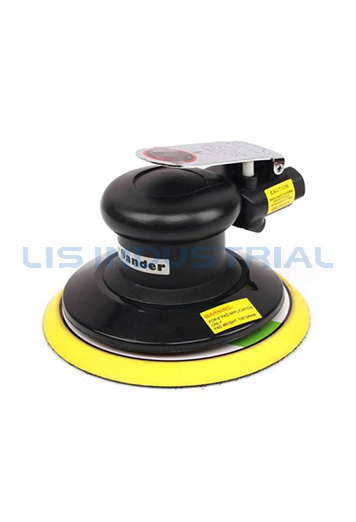
- Sand correctly: Use the appropriate grit for your application—180–240 grit for bare metal primer, 320–400 grit between coats. Always sand in one direction and wipe clean before the next coat.
- Control the environment: Spray in a clean, dust-controlled space. Even light air movement can introduce contamination. Ideal spray temperature is 65–77°F (18–25°C) with relative humidity below 70%.
- Tack wipe before spraying: Use a tack cloth immediately before spraying to remove any residual dust particles.
- Apply appropriate primer: Primer improves adhesion and reveals surface imperfections that need filling before topcoat application.
For beginners searching for the best HVLP spray gun for beginners, it is worth understanding that investing time in surface preparation will produce better results than any equipment upgrade. A well-prepared surface with a basic HVLP gun will consistently outperform a premium gun on a poorly prepared surface.
Mistake 5: Choosing the Wrong Gun for the Application
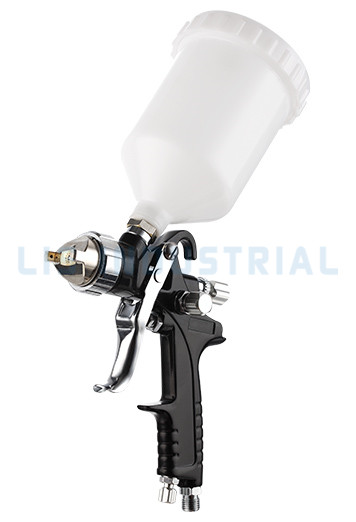
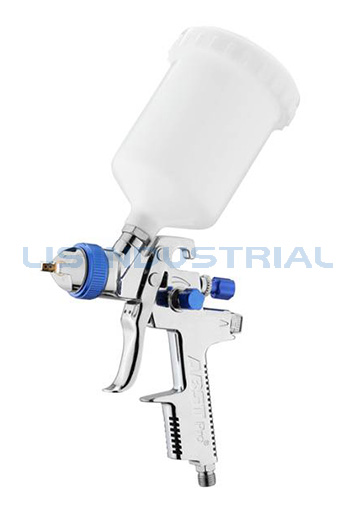
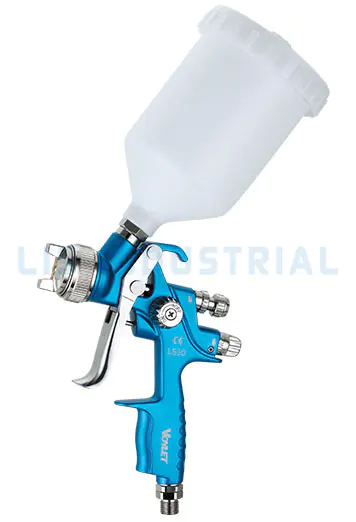
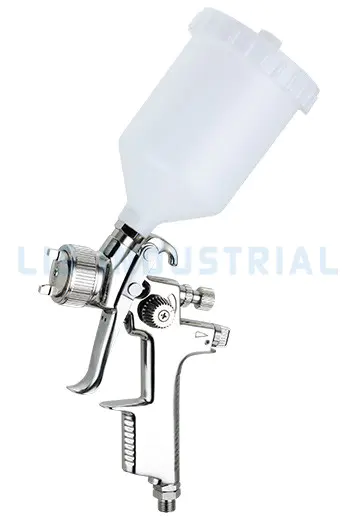
HVLP spray guns come in a range of configurations—gravity feed, suction feed, and pressure feed—with different needle and nozzle sizes suited to different materials. Using a 1.4mm nozzle for heavy epoxy primer, or a 1.8mm nozzle for thin lacquer, will produce poor results regardless of technique. Matching the gun specification to the material is as important as correct technique.
HVLP Gun Types and Their Best Use Cases
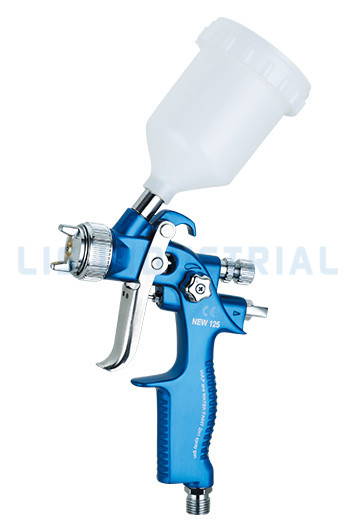
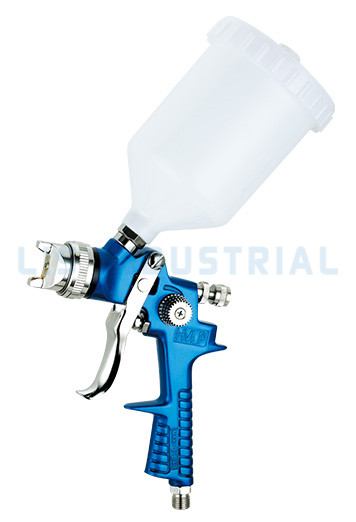
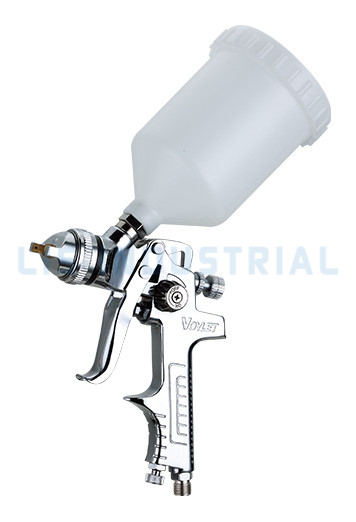
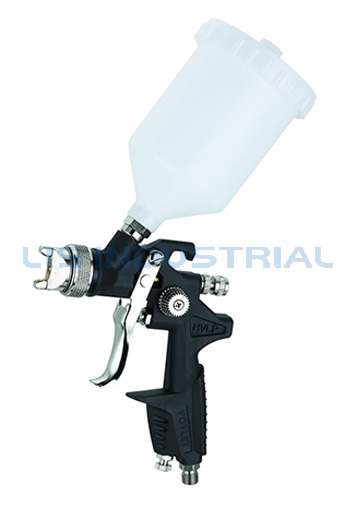
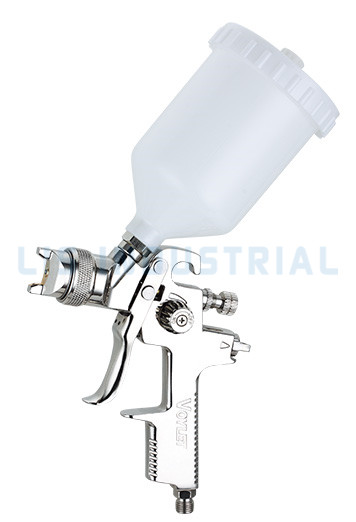
- Gravity feed HVLP: Cup sits on top of the gun; best for automotive refinishing, furniture, and detailed work. Wastes less paint, easier to clean, preferred for high-viscosity materials.
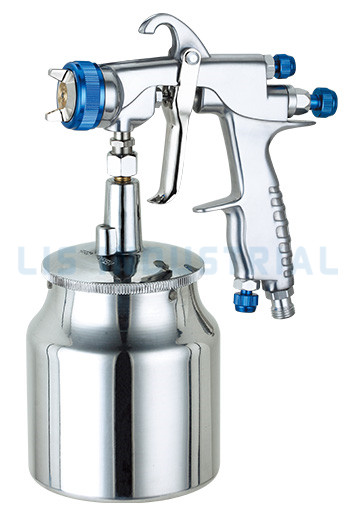
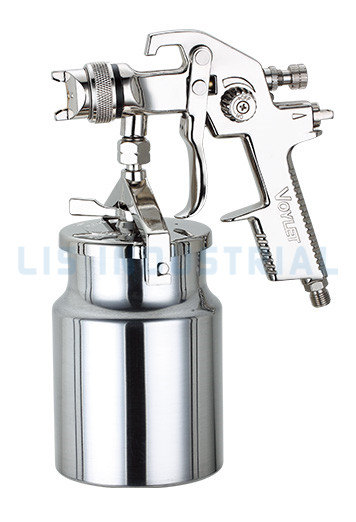
- Suction feed HVLP: Cup hangs below; suited for large surface areas and high-volume work. Requires slightly higher atomization pressure.
- Pressure feed HVLP: Material delivered from a remote pressure pot; ideal for production environments and very high-viscosity coatings.
| Table 2: Recommended Nozzle Size by Material Type for HVLP Spray Guns | ||
| Material | Nozzle Size (mm) | Feed Type |
| Automotive Basecoat | 1.3–1.4 | Gravity |
| Clear Coat / Lacquer | 1.3–1.5 | Gravity |
| High-Build Primer | 1.7–2.0 | Gravity / Pressure |
| Wood Stain / Varnish | 1.0–1.3 | Gravity / Suction |
| Epoxy / Thick Primer | 1.8–2.2 | Pressure |
| Waterborne Paint | 1.2–1.4 | Gravity |
HVLP Spray Gun vs Airless Spray Gun: Which Should You Use?
One of the most frequently searched topics when buying finishing equipment online is the HVLP spray gun vs airless spray gun comparison. The choice depends entirely on the application:
- HVLP: Superior for automotive finishes, fine woodworking, furniture, cabinets, and any application requiring a high-quality, detailed finish with minimal overspray. Transfer efficiency of 65–85% is typical.
- Airless: Better for large surface areas such as exterior walls, fences, and structural steel where speed matters more than surface quality. Transfer efficiency is lower (typically 40–60%) but output rate is much higher.
- For most users who need professional-quality results on vehicles, furniture, or cabinetry, an HVLP gravity feed spray gun is the correct tool.
About NINGBO LIS INDUSTRIAL CO., LTD.
Ningbo Lis Industrial Co., Ltd. is an advanced China HVLP spray gun manufacturer and HVLP gravity feed spray gun factory with a well-established reputation for quality across international markets. All products have passed CE and GS certification—standards that independently verify safety and performance to European requirements.
Lis operates with a strong R&D team capable of delivering both OEM and ODM services based on customer drawings, samples, or specifications. This flexibility allows distributors, professional finishing businesses, and equipment resellers to source customized air and pneumatic HVLP spray guns that meet exact performance and branding requirements. The company's worldwide marketing and service network covers Europe, North America, the Middle East, South Africa, and East Asia—with established business relationships across all regions.
For buyers looking to buy HVLP spray gun online from a verified manufacturer, Ningbo Lis Industrial provides factory-direct access with full documentation support, making procurement straightforward for international buyers regardless of location. The company's philosophy—that product quality is the key to gaining a larger share of the market—is reflected in its continuous pursuit of the highest manufacturing standards.
- Certifications: CE, GS
- Services: OEM, ODM, private label, custom specifications
- Products: Air and pneumatic HVLP spray guns, gravity feed spray guns, and related finishing equipment
- Markets served: Europe, North America, Middle East, South Africa, East Asia