 Search
 English
 中文简体
中文简体 Deutsch
 Español
Content
- 1 What Makes Gravity Feed HVLP Different From Other Spray Systems?
- 2 5 Key Reasons Gravity Feed HVLP Is Better for Car Painting
- 2.1 1. Higher Transfer Efficiency Means Less Paint Wasted
- 2.2 2. Gravity-Assisted Flow Improves Consistency and Reduces Clogging
- 2.3 3. Finer Atomization for Showroom-Quality Finishes
- 2.4 4. Reduced Environmental Impact and Safer Working Conditions
- 2.5 5. Greater Control for Detail Work and Panel Repairs
- 3 Transfer Efficiency: HVLP vs. Conventional Guns
- 4 Gravity Feed Spray Gun Setup: Getting It Right Before You Spray
- 5 Best HVLP Spraying Technique for Automotive Surfaces
- 6 HVLP Spray Gun Tips: Maintenance That Protects Your Investment
- 7 DIY Car Painting HVLP: What You Need to Get Started
- 8 Waterborne vs. Solvent Basecoats: Does It Matter for HVLP?
- 9 About Ningbo Lis Industrial Co., Ltd
- 10 Frequently Asked Questions
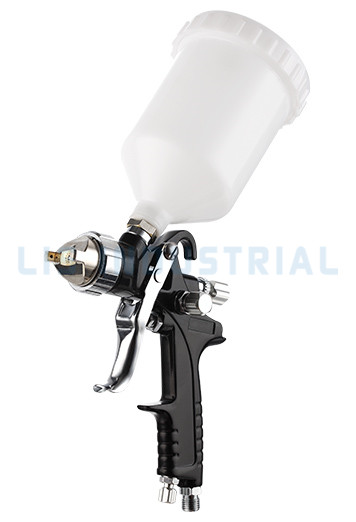
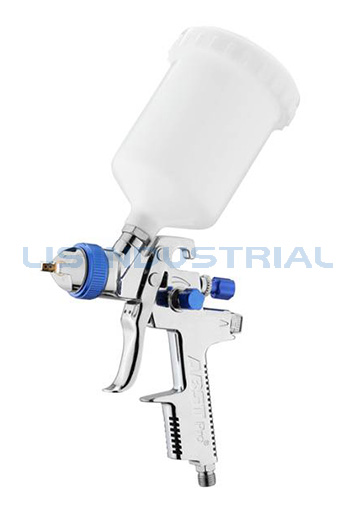
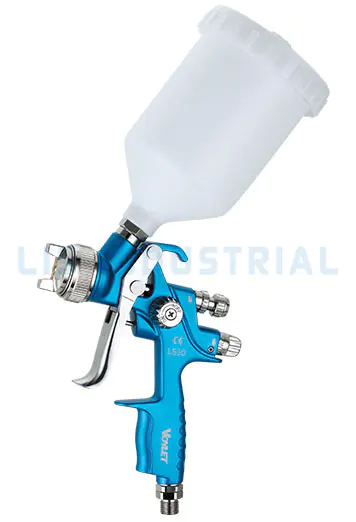
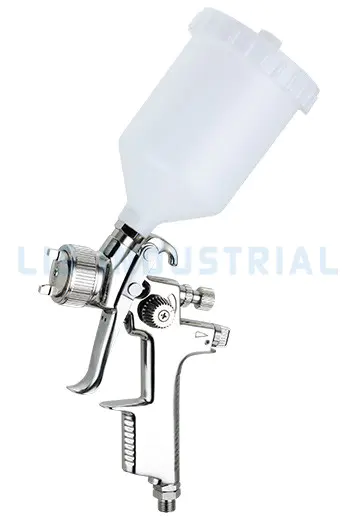
If you want a flawless, professional-grade automotive finish, gravity feed HVLP spraying is the superior choice for car painting. Compared to siphon-feed or pressure-feed systems, a gravity feed HVLP spray gun delivers finer atomization, lower material waste, and far greater control — all at lower air pressure. Whether you are a seasoned auto body technician or a DIY enthusiast tackling your first car painting project, understanding why this system dominates the industry will help you achieve better results with less effort.
This guide breaks down the mechanics, benefits, setup tips, and best techniques for using a gravity feed high volume low pressure spray gun on automotive surfaces.
What Makes Gravity Feed HVLP Different From Other Spray Systems?
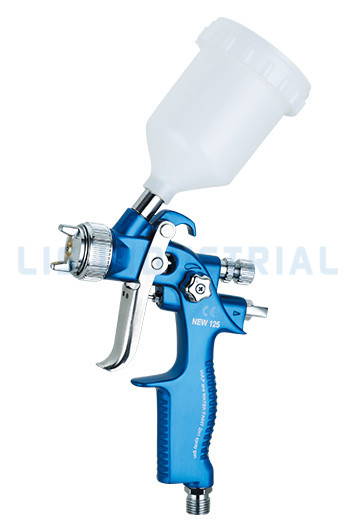
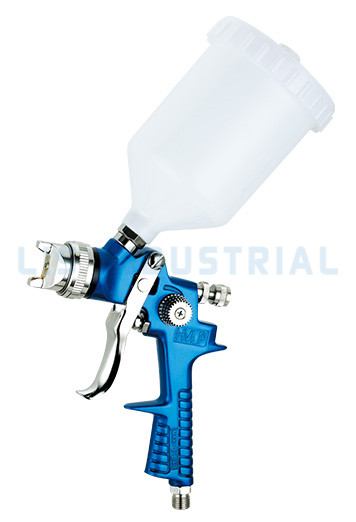
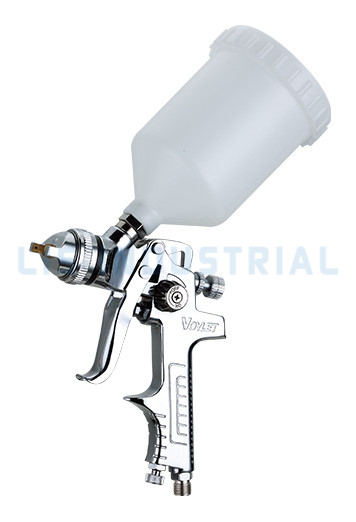
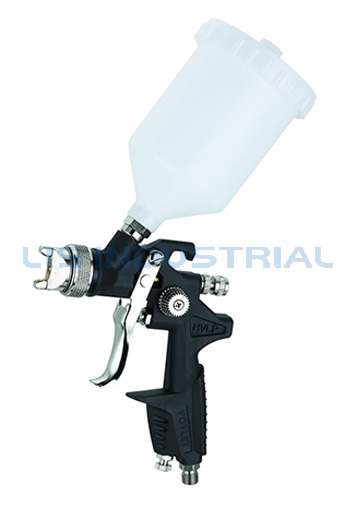
At its core, HVLP spraying uses high air volume at low pressure — typically between 0.1 and 10 PSI at the air cap — to atomize paint into fine, consistent particles. The gravity feed design places the paint cup on top of the gun, allowing gravity to assist paint flow naturally into the fluid passage without relying on suction or high pressure.
This contrasts sharply with siphon-feed guns, where the cup sits below and paint must be pulled upward by air pressure, reducing efficiency and increasing overspray. Pressure-feed systems use external pots, which are better suited for high-volume industrial environments but are cumbersome for detailed auto body work.
| Comparison of spray gun types commonly used in automotive painting applications. | |||
| Feature | Gravity Feed HVLP | Siphon Feed | Pressure Feed |
| Transfer Efficiency | 65–70%+ | 25–40% | 60–75% |
| Air Pressure Required | Low (0.1–10 PSI at cap) | High (40–60 PSI) | Medium–High |
| Overspray Level | Minimal | High | Moderate |
| Best For | Car painting, detail work | Large surfaces, wood | Industrial production |
| Material Waste | Very Low | High | Low–Medium |
5 Key Reasons Gravity Feed HVLP Is Better for Car Painting
1. Higher Transfer Efficiency Means Less Paint Wasted
One of the most compelling advantages of HVLP spraying is its paint transfer efficiency. Traditional high-pressure guns can waste 60–75% of the paint as overspray. An HVLP spray gun, by contrast, achieves transfer efficiencies of 65% to over 70%, meaning the majority of your material actually lands on the car surface. For expensive automotive paints, clearcoats, and primers, this directly translates into significant cost savings per job.
2. Gravity-Assisted Flow Improves Consistency and Reduces Clogging
With the paint cup positioned above the gun body, gravity continuously feeds material at a steady rate into the fluid needle. This passive flow mechanism reduces the workload on the air system, lowers the chance of spitting or inconsistent spray patterns, and ensures smoother, uninterrupted material delivery — especially important when applying metallic basecoats or waterborne paints that require even distribution.
3. Finer Atomization for Showroom-Quality Finishes
Low-pressure atomization produces smaller, more uniform paint droplets that settle softly onto the surface with minimal disturbance of the underlying coat. This is why HVLP is the preferred method for clearcoat application and single-stage urethane topcoats on cars — the result is a smooth, orange-peel-free finish that requires far less sanding and polishing to perfect.
4. Reduced Environmental Impact and Safer Working Conditions
Many regions — including California (SCAQMD regulations) and European Union countries — legally mandate HVLP or equivalent low-emission spray systems for automotive refinishing. The lower overspray of an HVLP spray gun means fewer airborne VOCs (volatile organic compounds) in the spray booth, reducing health risks for painters and environmental contamination. Gravity feed guns also use smaller cup volumes (typically 600ml–1000ml), which further minimizes solvent exposure.
5. Greater Control for Detail Work and Panel Repairs
The balanced weight distribution of a gravity feed gun — with the cup sitting above rather than to the side or below — gives painters better maneuverability around curved body panels, door jambs, and tight areas. The lighter air pressure also allows for more finesse when feathering edges on spot repairs, blending clear, or applying primers to complex geometries like bumpers and mirror housings.
Transfer Efficiency: HVLP vs. Conventional Guns
The chart below illustrates the difference in paint transfer efficiency across common spray gun types used in automotive refinishing. Higher transfer efficiency means more paint on the car and less wasted as overspray.
Gravity Feed Spray Gun Setup: Getting It Right Before You Spray
Proper gravity feed spray gun setup is as important as the gun itself. Even the best HVLP spray gun will deliver poor results if not configured correctly for the material being applied.
Choosing the Right Fluid Tip and Needle Size
Fluid tip size is the single most critical factor in gun setup. For automotive painting:
- 1.2–1.3mm tip: Waterborne basecoats, tinted primers
- 1.3–1.4mm tip: Solvent-based basecoats, clearcoats
- 1.6–1.8mm tip: High-build primers, urethane primers, sealers
- 2.0mm+ tip: Textured coatings, bedliners, thick materials
Using the wrong tip size leads to poor atomization, runs, or excessive dry spray — the most common beginner mistakes in DIY car painting HVLP projects.
Setting Inlet Air Pressure Correctly
HVLP guns require adequate air volume, not just high pressure. Most quality gravity feed HVLP guns need an air compressor delivering 8–12 CFM (cubic feet per minute) at 40–50 PSI at the inlet. Always set pressure at the gun handle, not just at the regulator on the compressor, for accurate readings. Test spray on cardboard and adjust until you see a consistent, elliptical fan pattern with even coverage across the full width.
Paint Viscosity and Thinning Ratios
HVLP spray guns are sensitive to viscosity. Use a viscosity cup (Zahn cup or DIN cup) to measure material flow time. For most automotive topcoats, 15–20 seconds in a Zahn #2 cup is the target range. Thin with the manufacturer-recommended reducer, not generic thinner, to preserve gloss and adhesion. Waterborne paints typically require less thinning but may need temperature-matched reducers for optimal atomization.
Best HVLP Spraying Technique for Automotive Surfaces
Mastering the best HVLP spraying technique takes practice, but following these fundamentals will dramatically shorten your learning curve and produce consistently clean results.
Gun Distance and Angle
Hold the gravity feed HVLP spray gun 6 to 8 inches (15–20 cm) from the surface for clearcoats and basecoats. Moving too close creates runs and sags; moving too far causes dry spray and orange peel. Keep the gun perpendicular to the surface — do not arc your wrist at the ends of passes, as this changes the spray angle and causes uneven coverage at panel edges.
Overlap and Pass Speed
Each pass should overlap the previous by 50% to ensure even film build. A moderate, consistent arm speed of roughly 12–18 inches per second prevents heavy spots. On larger panels like hoods and roofs, use a banding technique — spray the outer edges first, then fill in the center — to avoid the gun hesitating at corners and depositing excess material.
Fan Pattern and Fluid Control Adjustments
For HVLP spray gun tips, always begin with the fan set wide and the fluid needle open approximately 1.5–2 turns from closed. For spot repairs and jambs, narrow the fan and reduce fluid flow. Adjust in small increments and test spray each time. A proper fan pattern on paper should show even density from center to edge, with no heavy center or butterfly wings, which indicate incorrect pressure or tip choice.
Flash Time and Coat Sequence
Unlike conventional guns, HVLP deposits softer, wetter coats at lower velocity, which means flash times may be slightly shorter before recoating. Follow the material technical data sheet strictly — skipping flash time causes solvent pop, lifting, and adhesion failures. For most urethane clearcoats, 5–10 minutes between coats at 70°F (21°C) is the standard guide.
HVLP Spray Gun Tips: Maintenance That Protects Your Investment
A gravity feed HVLP spray gun performs at its best only when properly maintained. Neglecting cleaning is the number one cause of premature gun failure and finish defects.
- Clean immediately after every use — never let material dry in the fluid passages. Flush with the appropriate solvent (lacquer thinner for solvent paints, water and gun cleaner for waterbornes).
- Disassemble the air cap weekly if in frequent use. Clear dried paint from the air horns with a soft brass brush — never poke metal objects into the air holes, as this permanently damages atomization geometry.
- Inspect the fluid needle and packing for wear every few months. A worn needle tip causes dripping and inconsistent spray — needle and tip kits are inexpensive and easy to replace.
- Lubricate moving parts with a drop of gun oil on the needle packing, air valve stem, and trigger pivot points to prevent sticking and corrosion.
- Store the gun with the cup empty and passages flushed. For extended storage, leave a small amount of petroleum-based lubricant in the fluid passage to prevent rubber gaskets from drying out.
DIY Car Painting HVLP: What You Need to Get Started
For anyone approaching DIY car painting with HVLP for the first time, the setup does not need to be complex or overwhelming. Here is a practical starter checklist:
- Gravity Feed HVLP Spray Gun — choose one with a 1.3mm tip for basecoat/clear and a 1.7mm tip for primer
- Air Compressor — minimum 60-gallon tank, delivering 10+ CFM at 40 PSI
- Inline Air Filter and Water Separator — moisture and oil contamination ruin finishes
- Quality Air Hose — use a 3/8-inch ID hose, no longer than 25 feet to avoid pressure drop
- Viscosity Cup — to ensure paint is thinned to the correct spraying consistency
- Tack Cloths and Surface Prep Products — contaminants under clear are permanent
- Respirator (NIOSH-approved) — always protect yourself from paint fumes and isocyanates
Even with entry-level materials, a properly set up gravity feed HVLP spray gun can produce results that rival professional refinishing shops — the technique is what separates good work from great work.
Waterborne vs. Solvent Basecoats: Does It Matter for HVLP?
Both waterborne and solvent-based automotive paints work well with gravity feed HVLP spray guns, but there are some important differences to understand.
| Comparison of spray gun types commonly used in automotive painting applications. | |||
| Feature | Gravity Feed HVLP | Siphon Feed | Pressure Feed |
| Transfer Efficiency | 65–70%+ | 25–40% | 60–75% |
| Air Pressure Required | Low (0.1–10 PSI at cap) | High (40–60 PSI) | Medium–High |
| Overspray Level | Minimal | High | Moderate |
| Best For | Car painting, detail work | Large surfaces, wood | Industrial production |
| Material Waste | Very Low | High | Low–Medium |
For DIY car painting HVLP projects in regulated areas, waterborne is increasingly the standard. Ensure adequate ventilation and consider a forced-air drying technique (using a low-CFM fan to move air across the panel) to accelerate waterborne flash times and avoid mottle in metallic colors.
About Ningbo Lis Industrial Co., Ltd
Ningbo Lis Industrial Co., Ltd is a professional China HVLP spray gun manufacturer and gravity feed HVLP spray gun factory with an advanced production and research infrastructure. All products have obtained international certifications including CE and GS, reflecting the company's commitment to safety and quality standards recognized across global markets.
Lis maintains a dedicated R&D team capable of delivering both OEM and ODM services, working from customer-provided drawings, samples, or original design briefs. The company supports custom configurations for air and pneumatic HVLP spray guns, allowing professional buyers, distributors, and refinishing businesses to source equipment precisely matched to their specifications.
With an established worldwide marketing and service network, Lis products are actively distributed across Europe, North America, the Middle East, South Africa, and East Asia. Long-term business relationships in these regions are built on consistent product quality and responsive technical support. For those seeking a reliable gravity feed high volume low pressure spray gun manufacturer with proven international credentials, Ningbo Lis Industrial Co., Ltd offers the manufacturing depth and flexibility to meet professional demands.