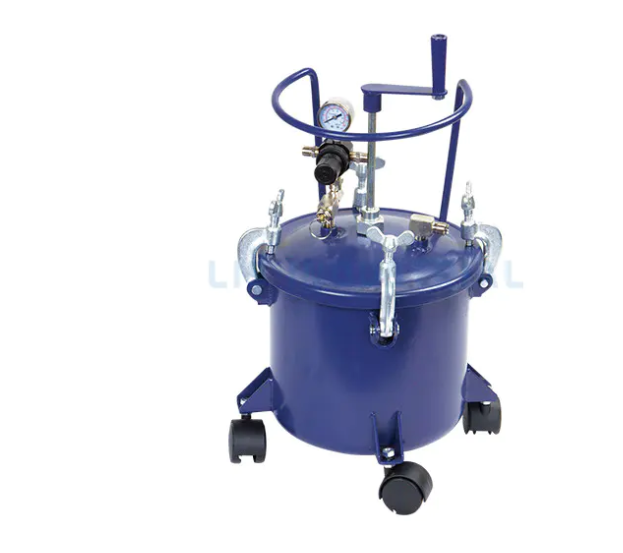
How They Work: The Basics of Pressure and Paint Application To understand why one type of spray gun...
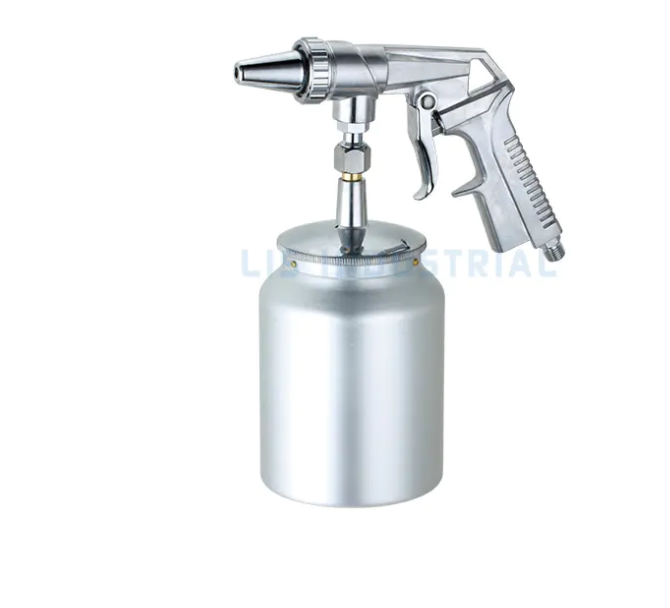
Heavy duty spray guns are workhorses in various industries, from automotive repair to industrial pai...
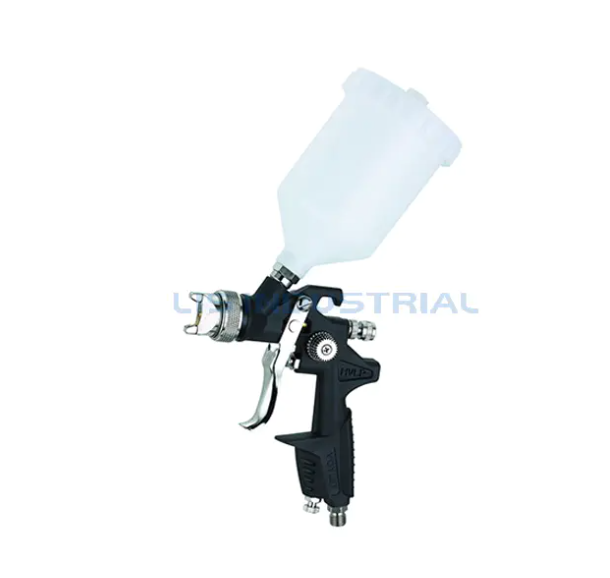
What is HVLP? The Secret of Low Pressure, High Atomization HVLP stands for High Volume Low Pressure,...
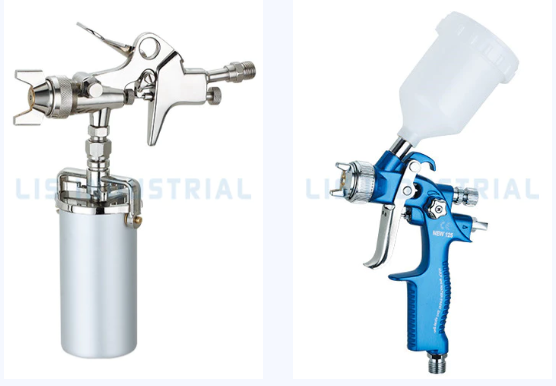
1. Main Functions of a Professional Touch-Up Spray Gun Fine Spraying, Improving Repair Quality Ideal...
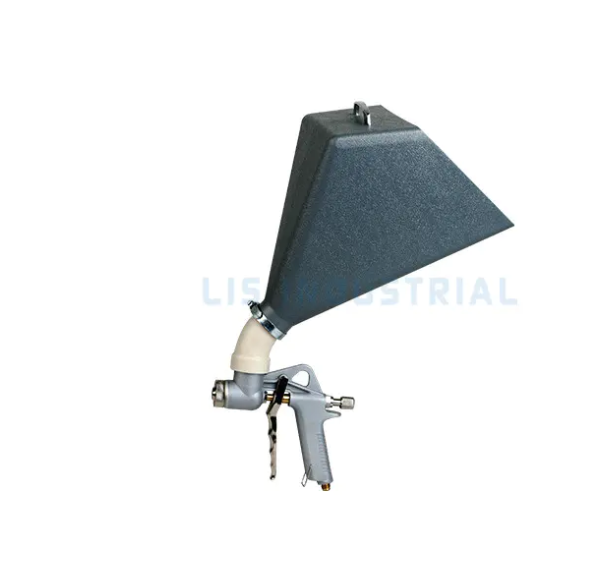
1. Working principle of texture paint spray gun The texture paint spray gun uses high-pressure atomi...
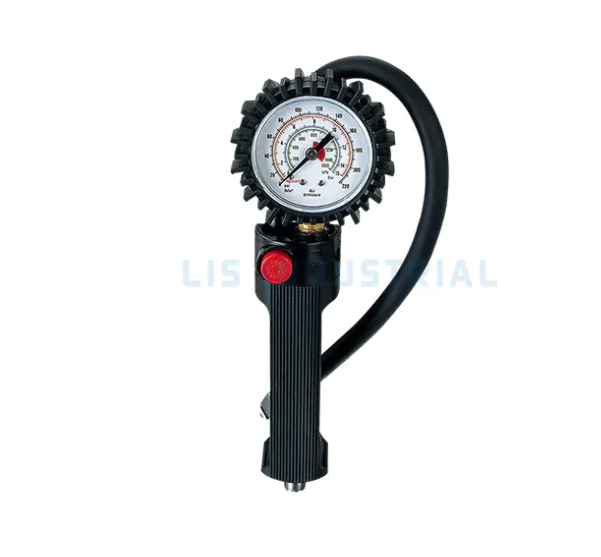
1. 5 advanced tips for using a tire inflation gun Inflate cold tires: the key to accurately control ...
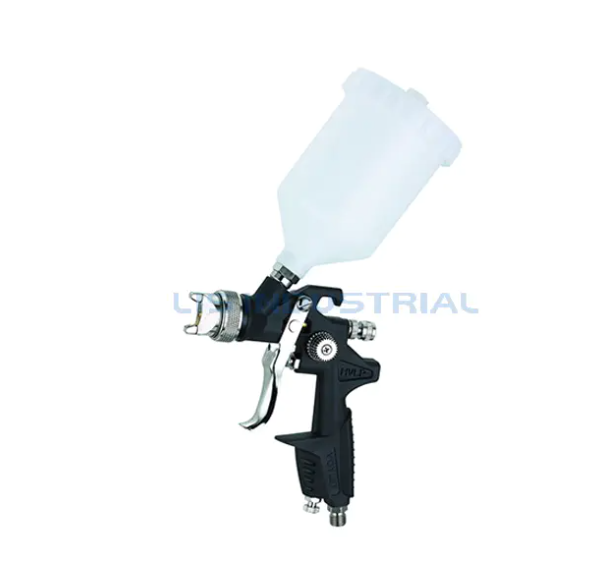
1. The paint-saving principle of the HVLP spray gun Low-pressure atomization technology The HVLP s...
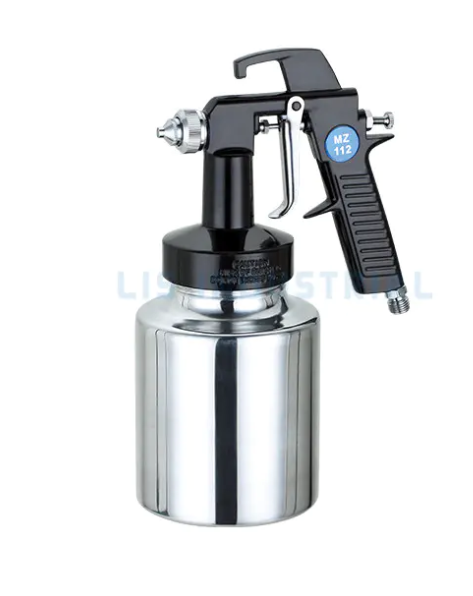
Working Principle of Low-Pressure Spray Guns The core design concept of low-pressure spray guns i...
Most HVLP spray gun faults announce themselves long before you reach for a wrench. A fan that keeps one heavy edge usually points at a blocked air cap horn. A spray that pulses in time with the trigger points at the fluid nozzle and needle. Paint creeping down the cup thread points at a swollen lid...
A paint spray gun looks like one solid tool, but it is really five working groups stacked together: the air supply end, the air cap and nozzle set, the fluid needle and fluid passage, the trigger and adjustment controls, and the body with its seals and springs. Know which group does what, and most ...
The Short Answer: A Gravity Feed HVLP Spray Gun With a 1.3 to 1.4 mm Tip For most first-time users, the most practical choice is a gravity feed HVLP or LVLP spray gun with a 1.3 to 1.4 mm fluid tip, a 600 ml cup, and separate controls for fluid, fan pattern and air. This setup works with common co...
Fax: +86-574-88068788
Add: Hengxi Industrial Zone, Yinzhou, Borough, Ningbo, China, 315131

Copyright © 2021 Ningbo Lis Industrial Co., Ltd. Login Paint Spray Guns Suppliers

 Search

 English
 中文简体
 Deutsch
 Español
