 Search
 English
 中文简体
中文简体 Deutsch
 Español
What is HVLP? The Secret of Low Pressure, High Atomization
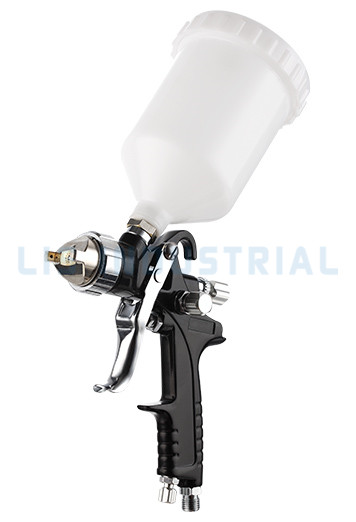
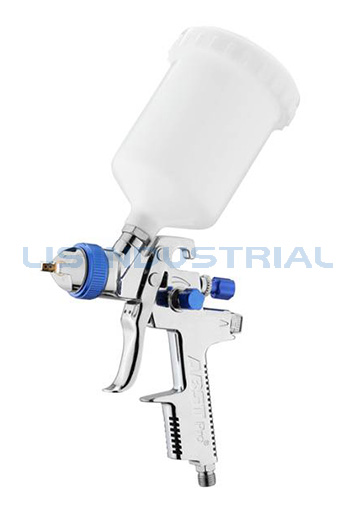
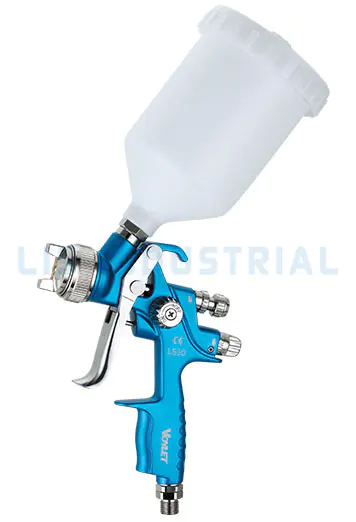
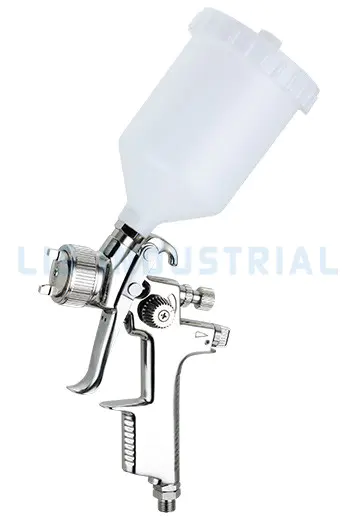
HVLP stands for High Volume Low Pressure, the core technology behind HVLP spray gun. Unlike traditional spray guns that rely on high pressure to atomize paint, HVLP spray guns use a high volume of air at lower pressure (typically below 10 psi / 0.7 bar at the air cap) to break the coating into a fine mist. This principle delivers three revolutionary advantages for HVLP spray guns:
-
Save Paint & Money: Traditional high-pressure guns cause significant paint rebound (overspray) and waste. HVLP spray gun technology drastically reduces overspray, achieving a transfer efficiency typically over 65%, far exceeding the 30%-40% of conventional guns. This means substantial savings on material costs.
-
Eco-Friendly & Healthier: Reduced overspray from HVLP spray guns directly leads to significantly lower emissions of Volatile Organic Compounds (VOCs). This minimizes paint mist and harmful solvent odors, making it safer for the operator and the planet.
-
Precision Control, Superior Finish: Low-pressure atomization in HVLP spray guns results in slower-moving paint particles, offering better directional control and effectively reducing "dry spray". This yields a smoother, higher-gloss finish. The low pressure also minimizes bounce-back, making HVLP spray guns ideal for spraying thin or delicate substrates.
HVLP Spray Guns vs. Conventional Spray Guns: Key Differences at a Glance
| Feature | HVLP Spray Gun | Conventional High-Pressure (HP) Spray Gun |
|---|---|---|
| Operating Pressure | Low (< 0.7 Bar at air cap) | High (> 1.0 Bar at air cap) |
| Atomization Principle | High Air Volume, Low Pressure | High-Pressure Air Impact |
| Transfer Efficiency | High (Typically > 65%) | Low (Typically 30% - 40%) |
| Overspray/Rebound | Low | High |
| VOC Emissions | Low | High |
| Finish Quality | Smoother, Higher Gloss, Better Leveling, Less Orange Peel | More prone to dry spray, orange peel |
| Ease of Control | Easier directional control | Faster spray pattern requires more skill |
| Best For | Detailed work, complex shapes, thin materials | Faster coverage of large, flat surfaces |
| Paint Savings | Significant Savings | Higher Waste |
| Compressor Requirement | Requires High Air Volume (High CFM) | More reliant on High Pressure |
How to Choose the Right HVLP Spray Gun for You?
-
Match Your Air Compressor: HVLP spray guns require a steady, sufficient supply of compressed air (key factor: CFM - Cubic Feet per Minute). Always check the gun's required CFM and ensure your compressor can deliver it consistently.
-
Nozzle Size: Choose based on the viscosity of your typical coatings. Common HVLP spray gun kits include multiple nozzle sizes. A 1.4mm or 1.5mm is often a good general-purpose choice.
-
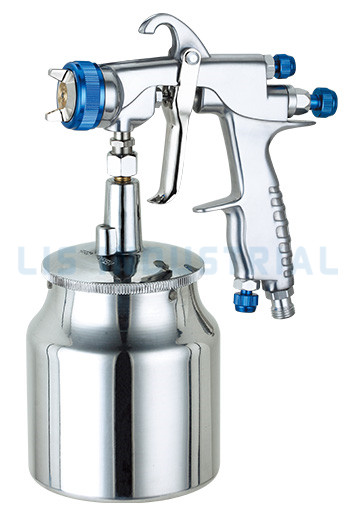
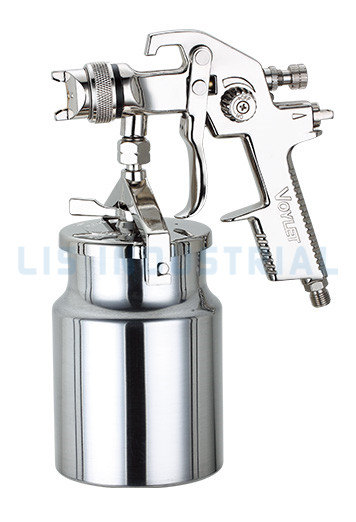
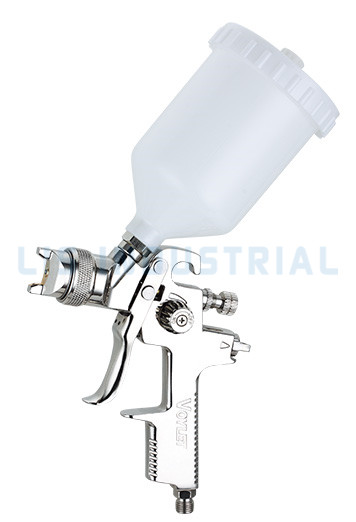
Cup Type: Gravity feed (cup on top) is ideal for smaller, detailed work with an HVLP spray gun. Siphon feed (cup below) suits larger areas. Pressure pot systems are for large-scale work.
-
Turbine or Compressor Driven? Turbine HVLP units have built-in fans. Compressor-driven HVLP spray guns rely on an air compressor, usually offering more power and flexibility.
- HVLP Spray Guns - The Go-To Choice for Saving Paint, Protecting the Planet, and Achieving Quality
HVLP spray technology, embodied in HVLP spray guns, with its unique low-pressure, high-volume design, effectively addresses the key pain points of traditional spraying. Whether for professional auto body repair, furniture making, wood finishing, or DIY home renovation projects, choosing the right HVLP spray gun allows you to save costs, protect the environment, and effortlessly achieve professional-grade, flawless finishes.