 Search
 English
 中文简体
中文简体 Deutsch
 Español
Content
- 1 What Is a Pneumatic Car Wash Gun
- 2 How an Air Paraffin Gun Works
- 3 Core Structure of a Paraffin Washing Gun
- 4 Types of Pneumatic and Air Paraffin Washing Guns
- 5 Why Professional Car Washes Rely on Pneumatic Washing Guns
- 6 Car Care Industry Trends Behind the Growing Use of Paraffin Guns
- 7 How to Choose the Right Air Paraffin Gun for Your Facility
- 8 Best Practices for Using a Car Paraffin Washing Gun
- 9 Maintenance Tips to Extend the Life of a Pneumatic Washing Gun
- 10 Common Problems and Fixes
- 11 Where Pneumatic Car Cleaning Guns Are Used
- 12 About Ningbo Lis Industrial
- 13 Frequently Asked Questions
- 13.1 What is a car paraffin washing gun?
- 13.2 What is a pneumatic car wash gun?
- 13.3 How does an air paraffin gun work?
- 13.4 What is a car waxing gun?
- 13.5 How do you use a paraffin washing gun?
- 13.6 How do you use a car wash gun with wax?
- 13.7 How do you clean a car with a pneumatic washing gun?
- 13.8 How often should a paraffin washing gun be cleaned?
What Is a Pneumatic Car Wash Gun
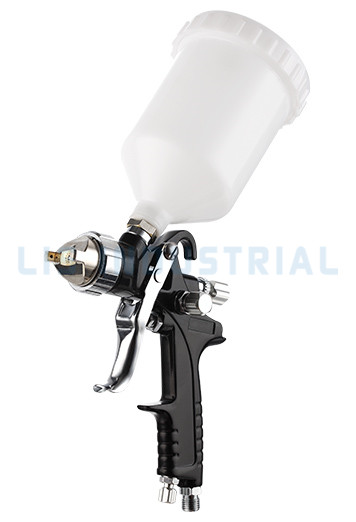
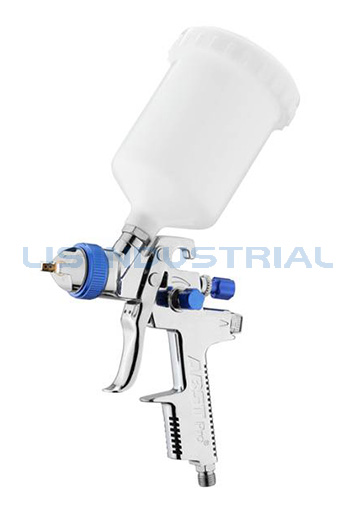
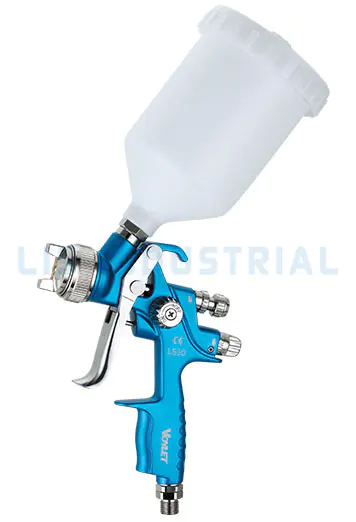
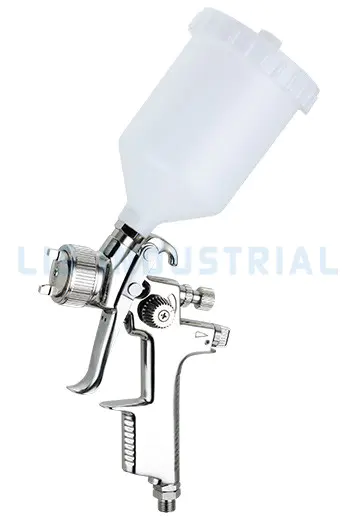
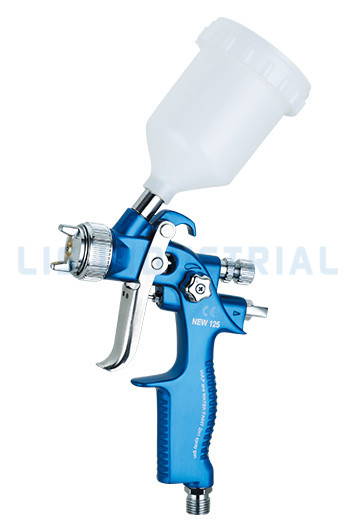
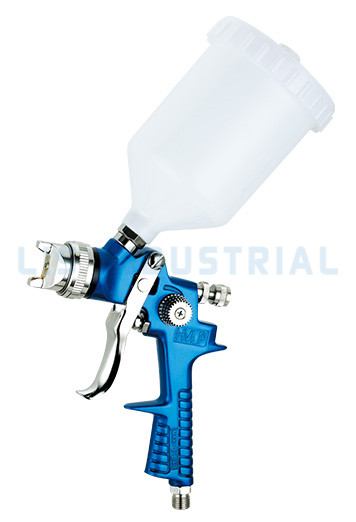
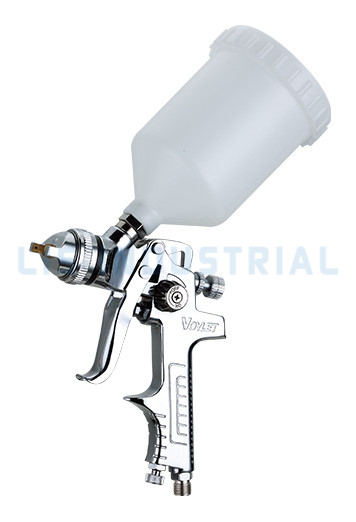
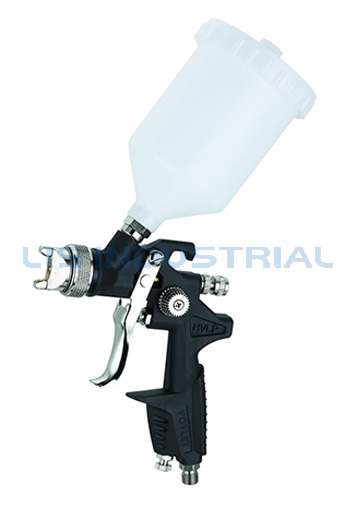
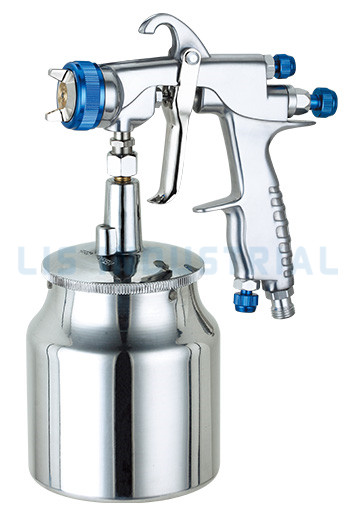
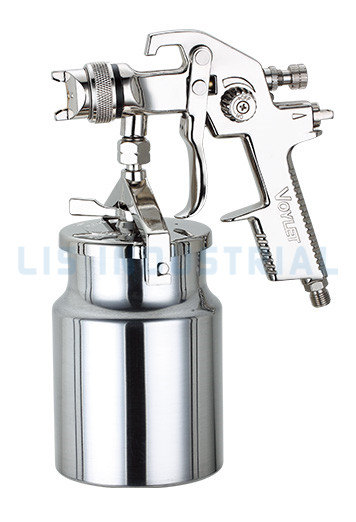
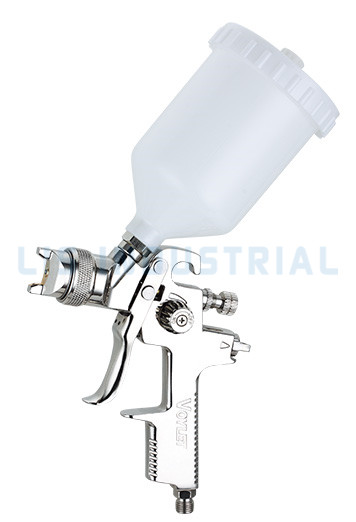
A pneumatic car wash gun is a compressed air spray tool that draws a diluted paraffin wax solution from a liquid tank and releases it as a fine, even mist across a vehicle exterior. Wash bay staff and detailers use several names for the same tool, including air paraffin gun, Car Paraffin Washing Gun, and paraffin gun, and all three terms describe the same basic function: turning a wax concentrate into a controlled spray that coats body panels without hand wiping.
The gun connects to a standard workshop air compressor through a quick connect fitting. Once the trigger is pulled, compressed air passes through the nozzle body and pulls liquid up a siphon tube from an attached bottle, drum, or in line tank. Air and liquid mix at the nozzle tip and leave the gun as an atomized spray, which is why this category of equipment also appears in supplier catalogs as a pneumatic washing gun or a pneumatic car cleaning gun.
Paraffin and wax finishing has grown into a meaningful part of the professional car care business. Future Market Insights reports that car waxing services account for close to 12 percent of overall car detailing service revenue, a share the firm links to rising demand for paint protection among mid range and higher end vehicle owners. As that finishing step becomes more common on the service menu, wash operators increasingly look for a Pneumatic or Air Paraffin Washing Gun that can apply the coating quickly and evenly across a full shift of vehicles.
How an Air Paraffin Gun Works
The working principle behind every paraffin washing gun is the same regardless of tank size or nozzle style. Compressed air does two jobs at once: it pulls liquid up from the tank and it breaks that liquid into a fine mist as it exits the nozzle. The sequence below outlines what happens between the moment an operator pulls the trigger and the moment paraffin lands on the vehicle surface.
Spray Cycle Sequence
- Compressed air enters the gun body through the rear air inlet fitting, typically rated between 4 and 6 bar, or roughly 60 to 90 psi.
- Pulling the trigger opens an internal valve that lets the air stream move toward the nozzle chamber.
- The moving air creates a pressure drop that draws diluted paraffin solution up through a siphon tube from the attached tank or bottle.
- Air and liquid combine inside the nozzle chamber, where the fan pattern tip breaks the mixture into a fine, even mist.
- The operator sweeps the spray across body panels in overlapping passes, adjusting the flow dial to change coating thickness as needed.
Most guns include two independent controls, an air pressure or volume dial and a liquid flow dial. Setting the air too high relative to the liquid produces a dry, patchy mist, while too little air pressure leaves the paraffin solution pooling instead of forming an even film. Detailers typically test the spray pattern on a small panel before working across an entire vehicle.
Core Structure of a Paraffin Washing Gun
Despite differences in brand and tank size, most Pneumatic or Air Paraffin Washing Gun models share the same six functional parts. The numbers on the diagram below match the part list underneath it.
Part Reference
- Air Inlet Fitting, connects the gun to the compressor supply hose.
- Liquid Tank and Siphon Tube, stores and draws up the diluted paraffin solution.
- Flow Adjustment Dial, controls how much liquid mixes into the air stream.
- Fan Spray Nozzle, shapes and atomizes the outgoing mist.
- Trigger Valve, opens air and liquid flow at the same time.
- Ergonomic Grip Body, supports the gun for repeated single hand use through a shift.
Types of Pneumatic and Air Paraffin Washing Guns
Wash operators generally choose between four common configurations, based on bay layout, throughput, and whether the gun needs to double as a foam applicator.
| Common configurations of pneumatic and air paraffin washing guns used across the car wash industry | |||
| Type | Liquid Delivery | Typical Setting | Best Suited For |
| Single Tank Pneumatic Washing Gun | One built in or attached liquid tank | Self serve bays, small shops | Light duty paraffin application |
| Dual Tank Air Paraffin Gun | Two separate tanks for foam and paraffin | Full service tunnels | Combined foam pre wash and wax finish |
| Adjustable Nozzle Paraffin Gun | External bottle or drum with siphon hose | Detailing studios | Fine control over spray fan width and mist density |
| High Output Tunnel Applicator | Fixed supply line from a bulk paraffin tank | Conveyor tunnel washes | Continuous coating on moving vehicles |
Why Professional Car Washes Rely on Pneumatic Washing Guns
Hand application of wax is still common in small detailing shops, but higher volume operations tend to move toward a pneumatic car wash gun once vehicle counts climb. Industry coverage citing Persistence Market Research puts express tunnel washes at roughly 51 percent of United States car wash revenue, growing at about a 6.1 percent compound annual rate, a segment where speed and consistency at the finishing stage matter directly to how many vehicles a bay can process in a day.
- Consistent Coating Thickness - the atomized mist spreads paraffin evenly across curved and flat panels, reducing the streaking that can come from hand wiping.
- Faster Application - a single operator can coat a full size vehicle in a fraction of the time needed for manual wax application.
- Adjustable Spray Fan - the nozzle dial widens or narrows the pattern to match sedans, SUVs, vans, and trucks without changing tools.
- Lower Product Waste - fine atomization uses less concentrate per vehicle than pouring or wiping wax directly onto the surface.
- Bay and Tunnel Compatibility - the same air supply lines used for rinse and foam guns can power a paraffin gun, simplifying compressor planning.
Car Care Industry Trends Behind the Growing Use of Paraffin Guns
The figures below summarize publicly available industry research on the car detailing category, which includes the wax and paraffin finishing step that pneumatic guns are built to apply.
Where Wax and Paraffin Treatments Fit in the Service Mix
Across the overall detailing category, car wash and general exterior work still make up most of the revenue, but the wax and paraffin finishing step holds a steady double digit share of the business.
Source: Future Market Insights, Car Detailing Market Size and Demand Forecast, 2025 to 2035
Detailing Market Growth Trajectory
Market research firms track the global car detailing services category as one of the steadier growth areas of vehicle aftercare, with most forecasts pointing to continued expansion through the end of the decade.
Source: Grand View Research, Car Detailing Services Market Size Report, 2024 to 2030, based on a 5.9 percent CAGR
Regional Distribution of Detailing Demand
Demand for professional detailing, including wax and paraffin finishing, is concentrated in a small number of regions, which shapes where equipment makers focus product development.
Source: Fortune Business Insights, Car Detailing Services Market Report, 2025 regional share
Pneumatic Application Compared With Manual Wax Application
The chart below is a general operational comparison based on typical wash bay workflow rather than a figure pulled from a market report. It illustrates how spray application tends to compare with hand application across five practical dimensions.
General operational comparison based on typical wash bay workflow, not a cited data source
How to Choose the Right Air Paraffin Gun for Your Facility
Matching gun specifications to the compressor and bay layout already in place avoids most performance complaints down the line. The factors below are worth checking before ordering a Car Paraffin Washing Gun for a new or existing wash line.
- Air Consumption - match the gun CFM requirement to the compressor output so spray pressure stays steady during peak hours.
- Nozzle Material - brass or stainless components resist wax residue buildup better than plastic tips over daily use.
- Tank Capacity - a larger built in tank reduces how often staff need to stop and refill during a busy shift.
- Flow Adjustment Range - a wide dial range lets the same gun handle light mist coats and heavier protective layers.
- Ease of Cleaning - a nozzle and siphon tube that come apart quickly are easier to flush at the end of a shift.
- Weight and Grip - a lighter, balanced body reduces operator fatigue during repeated use throughout the day.
- Dilution Compatibility - confirm the gun works with the paraffin concentrate ratio already used at the facility.
Best Practices for Using a Car Paraffin Washing Gun
Following a consistent sequence keeps the finished coat even from vehicle to vehicle, whether the gun is used in a self serve bay or on a conveyor tunnel line.
- Pre rinse the vehicle to remove loose dirt and grit before any wax or paraffin step begins.
- Prepare the diluted paraffin solution according to the concentrate ratio recommended for the product in use.
- Set the air pressure and flow dial, then test the spray pattern on an inconspicuous panel first.
- Apply the mist in overlapping horizontal passes, working from the roof down toward the lower panels.
- Allow the recommended dwell time so the paraffin film sets before the next step.
- Rinse lightly or buff the surface, depending on the product instructions for that paraffin blend.
- Dry the vehicle with an air blower or microfiber towel to finish the coat with an even shine.
Maintenance Tips to Extend the Life of a Pneumatic Washing Gun
Wax residue is the main cause of clogged nozzles and sticky triggers, so a short routine after each shift keeps a pneumatic washing gun spraying evenly for longer.
- Flush the gun with clean water at the end of each shift to clear residual paraffin from the nozzle and tube.
- Check O rings and seals weekly for wax buildup that can cause air leaks around the trigger.
- Lubricate the trigger mechanism periodically so it continues to move freely under daily use.
- Store the gun in a dry area away from direct sun to protect seals and plastic housing components.
- Replace the nozzle tip once the spray pattern becomes uneven or noticeably weaker than usual.
Common Problems and Fixes
Most issues with a pneumatic car wash gun trace back to air supply, a blocked nozzle, or a worn seal, and each has a straightforward fix.
| Frequent operating issues reported with pneumatic car wash guns and simple corrective steps | ||
| Symptom | Likely Cause | Recommended Fix |
| Uneven or streaky spray pattern | Partially clogged nozzle tip | Soak the nozzle in clean water and clear it with a soft brush |
| Weak or sputtering mist | Insufficient air pressure or CFM | Check the compressor output against the gun air consumption rating |
| Liquid will not draw from the tank | Blocked siphon tube or empty tank | Inspect the tube for kinks or wax buildup and refill the tank |
| Air leaking around the trigger | Worn trigger seal or O ring | Replace the seal following the gun manufacturer instructions |
| Reduced spray range | Low liquid concentration or flow dial set too low | Adjust the flow dial and confirm the dilution ratio |
Where Pneumatic Car Cleaning Guns Are Used
The scale of the car wash and detailing industry gives a sense of how many locations rely on this kind of equipment day to day. Estimates from the International Carwash Association put the number of car wash and auto detailing outlets in the United States at roughly 62,750 locations, many of which include a wax or paraffin finishing step somewhere in their service lineup.
- Conveyor Tunnel Washes - fixed applicators coat vehicles as they move through the finishing stage of the tunnel.
- Self Serve and Full Service Bays - handheld guns give customers or attendants a quick wax option after the main wash cycle.
- Detailing Studios - adjustable nozzle guns support finer control for paint protection focused services.
- Dealership Make Ready Centers - fast, even coating helps prep vehicles for the show floor between arrivals.
- Fleet and Rental Turnover - operators use paraffin guns to keep a consistent finish across large batches of vehicles.
- Mobile Detailing Vans - compact air paraffin guns pair with portable compressors for on site service calls.
About Ningbo Lis Industrial
Ningbo Lis Industrial Co., Ltd designs and manufactures pneumatic and air paraffin washing guns for the professional car care market. The company operates its own research and development team and produces washing guns through OEM production based on customer drawings or samples, along with ODM development for facilities that need a specific spray pattern, tank configuration, or grip design. Ningbo Lis Industrial supplies car wash equipment operators and distributors across Europe, North America, the Middle East, South Africa, and East Asia, and offers a customizable pneumatic and air car paraffin washing gun lineup suited to different bay layouts and production volumes.
Frequently Asked Questions
-
What is a car paraffin washing gun?
A car paraffin washing gun is a spray tool that mixes compressed air with a diluted paraffin wax solution to coat a vehicle exterior with a thin protective film during or after washing.
-
What is a pneumatic car wash gun?
A pneumatic car wash gun is the general term for any air powered spray gun used in a wash bay, including paraffin guns, foam guns, and rinse applicators that run on compressed air rather than electricity.
-
How does an air paraffin gun work?
Compressed air entering through the inlet fitting draws liquid from a tank through a siphon tube. The air and liquid combine inside the nozzle chamber and leave as a fine atomized mist that the operator sweeps across the vehicle surface.
-
What is a car waxing gun?
A car waxing gun is another name for a paraffin or wax application gun. It applies a diluted wax emulsion evenly across body panels so the vehicle finishes with a glossy protective layer without hand wiping.
-
How do you use a paraffin washing gun?
Connect the gun to a compressor, fill or attach the tank with the diluted paraffin solution, set the air pressure and flow dial, then sweep the nozzle across the vehicle in overlapping passes from top to bottom.
-
How do you use a car wash gun with wax?
Rinse the vehicle first, switch the gun input to the wax or paraffin tank, adjust the nozzle for an even fan pattern, then apply a light, uniform coat before rinsing or buffing according to the product dilution instructions.
-
How do you clean a car with a pneumatic washing gun?
Pre rinse loose dirt, apply foam or detergent through the gun if it supports that stage, rinse again, then switch to the paraffin setting for the finishing coat before drying.
-
How often should a paraffin washing gun be cleaned?
Flushing the gun with clean water at the end of each shift and checking the nozzle and seals weekly helps prevent wax buildup that leads to clogging or an uneven spray pattern.