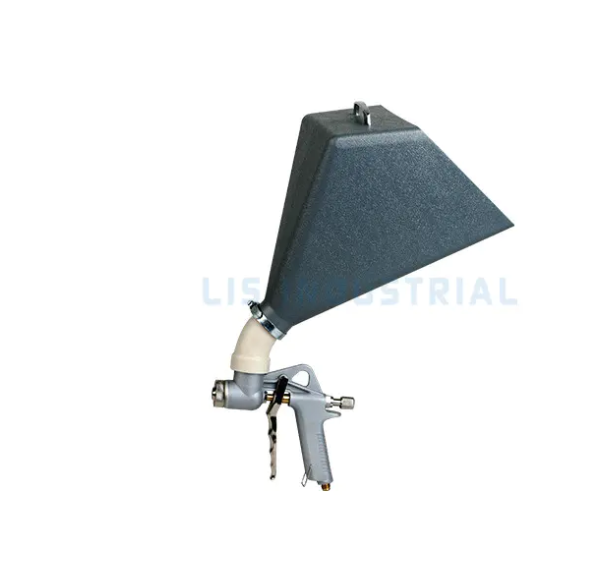
What Are the Different Types of Texture Paint Spray Guns? There are several types of texture paint ...
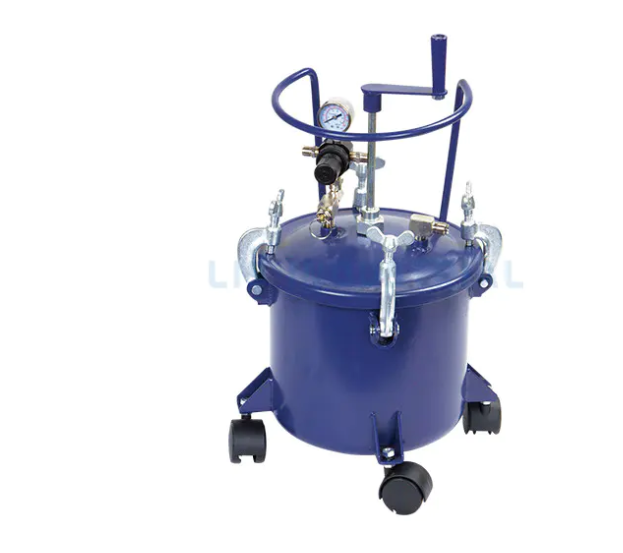
How They Work: The Basics of Pressure and Paint Application To understand why one type of spray gun...
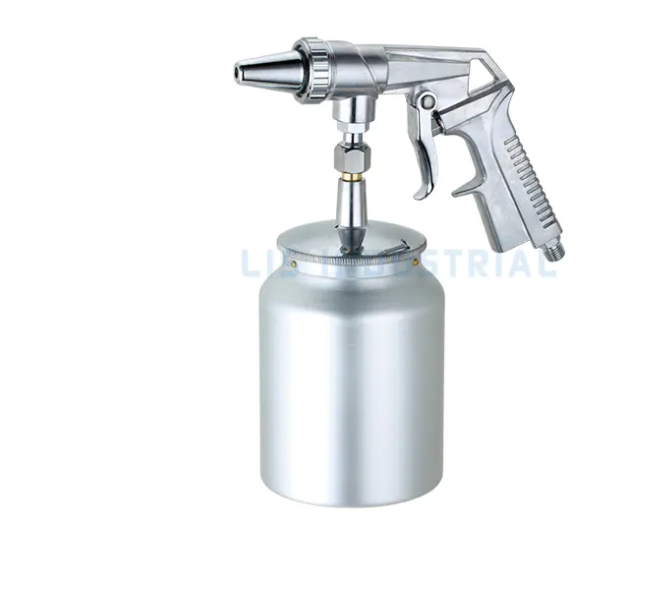
Heavy duty spray guns are workhorses in various industries, from automotive repair to industrial pai...
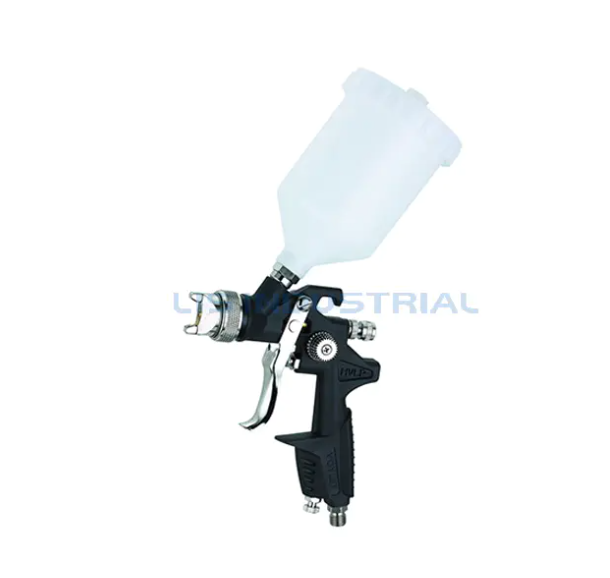
What is HVLP? The Secret of Low Pressure, High Atomization HVLP stands for High Volume Low Pressure,...
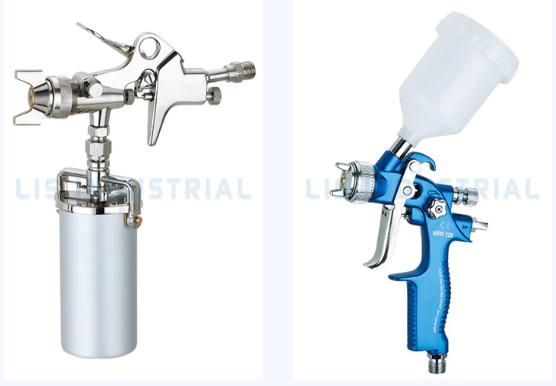
1. Main Functions of a Professional Touch-Up Spray Gun Fine Spraying, Improving Repair Quality Ideal...
1. Working principle of texture paint spray gun The texture paint spray gun uses high-pressure atomi...
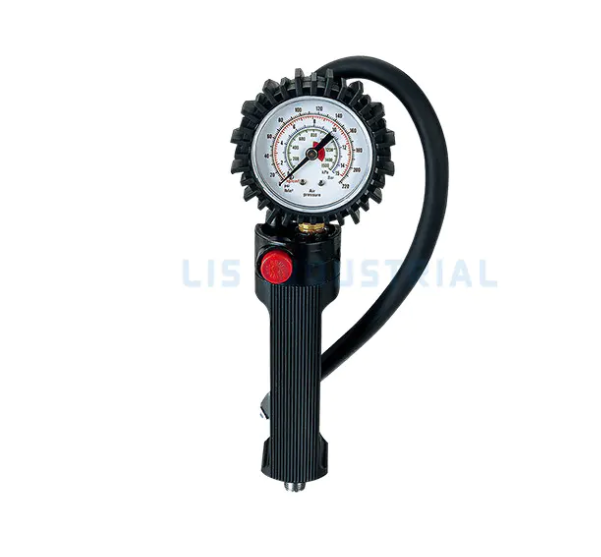
1. 5 advanced tips for using a tire inflation gun Inflate cold tires: the key to accurately control ...
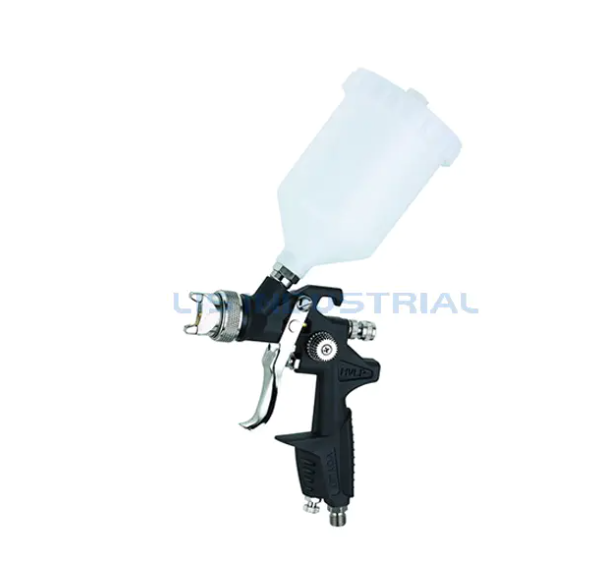
1. The paint-saving principle of the HVLP spray gun Low-pressure atomization technology The HVLP s...
You set the air pressure, opened the fluid knob halfway, and pulled the trigger—then the gun spattered like a fountain pen and left a dry, dusty strip down the center of the panel. That is rarely a defective tool. It is almost always a setup problem. Here is the conclusion up front: adjust a paint ...
Your spray gun spits, the film sags, and the surface comes out with the telltale orange-peel texture. Most users blame the gun. In practice, the fault is usually setup: wrong air pressure, too much fluid, or a fan width that was never dialed in. Every air spray gun has three adjustments, and they i...
The same gun, the same paint, the same painter: one cabinet door comes out glass-smooth, and the next one wears orange peel with a sag along the bottom edge. In practice, almost every disappointing spray finish traces back to four adjustable variables: paint viscosity, air pressure, spray distance ...
Fax: +86-574-88068788
Add: Hengxi Industrial Zone, Yinzhou, Borough, Ningbo, China, 315131

Copyright © 2021 Ningbo Lis Industrial Co., Ltd. Login Paint Spray Guns Suppliers

 Search
 English
 中文简体
中文简体 Deutsch
 Español