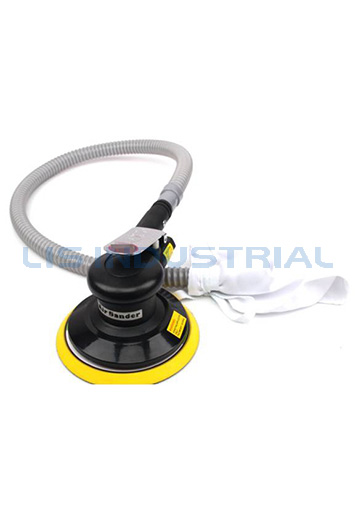
Car polishing is the process of cleaning and restoring fading car finishes. The goal is to remove i...
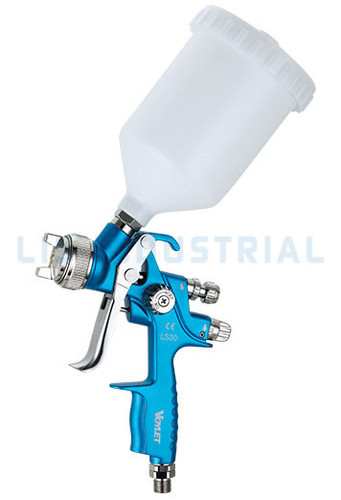
Compared to a regular spray gun, a high volume low pressure (HVLP) spray gun is better for finer c...
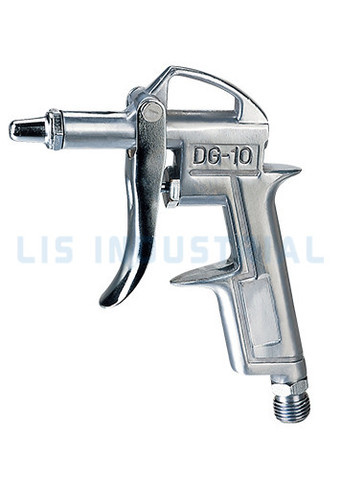
Whether you need to clean up a roof drain or to dry a piece of machinery, an Air Blowing Gun is a ...
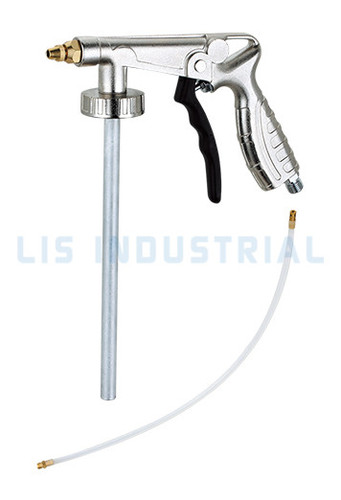
Whether you're a professional or an occasional handyman, a sandblast gun can make a tough job easy...
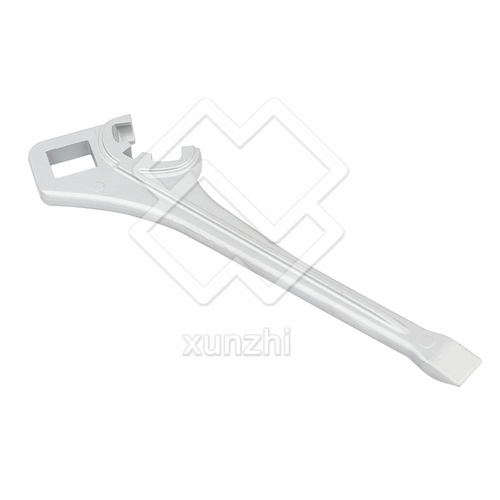
Spanners are used to open a fire hydrant and tighten lug hose connections. They can also be used t...
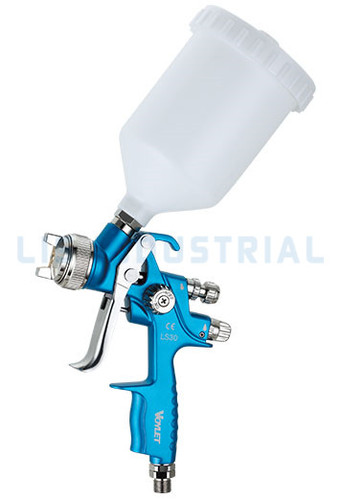
Whether you are applying paint to a house or a car, a paint spray gun will help you achieve even c...
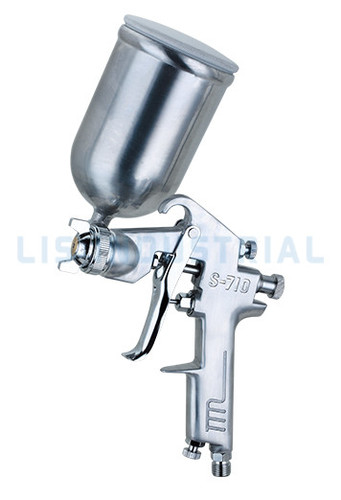
Whether you are using a paint spray gun on a car, a kitchen cabinet, or wooden furniture, there ar...
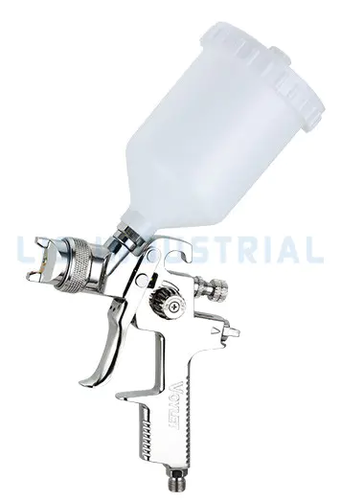
Whether you are painting wood, metal, concrete or any other surface, an industrial spray gun can s...
To get professional results from a heavy duty spray gun, set air pressure to the material manufacturer's recommended range (typically 2.0–4.0 bar / 29–58 psi for HVLP), maintain a consistent 15–25 cm gun-to-surface distance, move at a steady 30–60 cm/s, and overlap each pass by 50%. These four para...
A heavy-duty spray gun is the correct choice for large-scale projects, and the difference is not marginal — it is fundamental. A standard spray gun is designed for intermittent use with light-bodied coatings at low-to-moderate fluid flow rates, typically 100–400 mL/min. A heavy-duty spray gun is en...
HVLP Spray Guns Are More Efficient at Material Transfer, but Airless Sprayers Are More Efficient at Coverage Speed HVLP spray guns achieve transfer efficiency rates of 65–90% — meaning 65–90% of the coating material actually lands on the target surface. Airless sprayers typically achieve only 40–65...
Fax: +86-574-88068788
Add: Hengxi Industrial Zone, Yinzhou, Borough, Ningbo, China, 315131

Copyright © 2021 Ningbo Lis Industrial Co., Ltd. Login Paint Spray Guns Suppliers

 Search
 English
 中文简体
中文简体 Deutsch
 Español