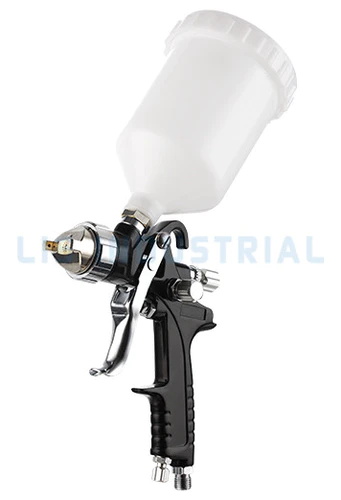
Spray guns have been used for decades to apply paint in a variety of settings, from automotive and i...
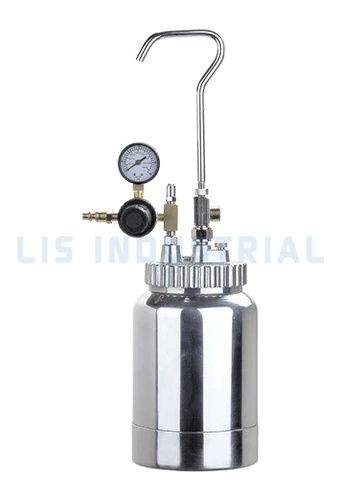
Paint tanks are an essential tool in the manufacturing, automotive, and construction industries, amo...
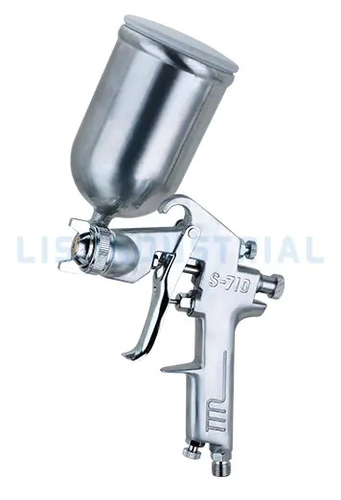
Pro touch-up spray guns are versatile tools used for painting small to medium-sized surfaces. To mas...
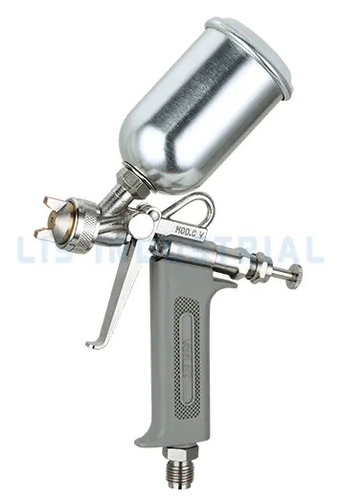
Pro touch-up spray guns are highly effective tools for achieving professional-looking finishes in va...
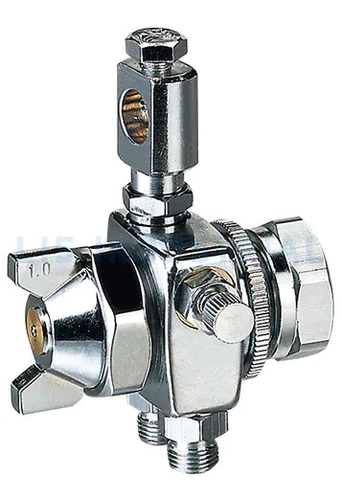
Automatic spray guns are commonly used in a variety of industries for applying coatings, paints, adh...
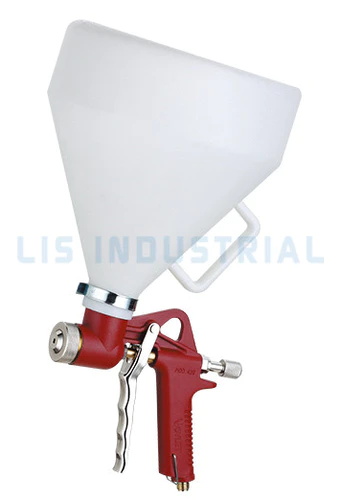
Texture paint spray guns are used to apply a variety of textures to walls, ceilings, and other surfa...
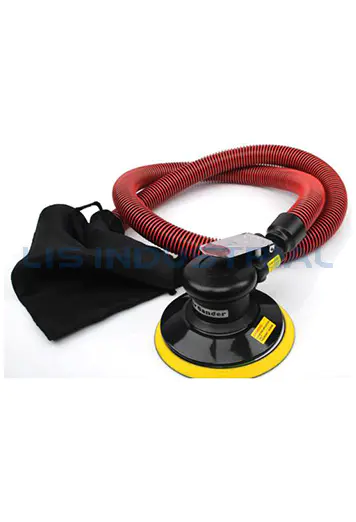
A car polish machine is a tool that is used to buff and polish the exterior of a vehicle. It's an es...
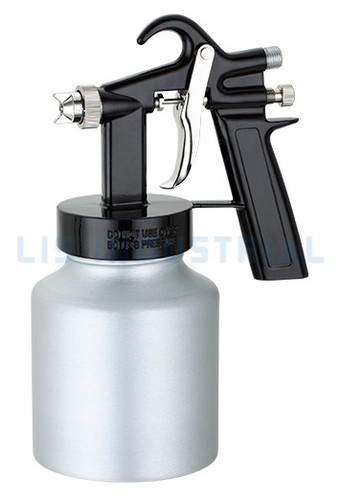
A low-pressure spray gun is a powerful tool used in many industries for a variety of purposes, inclu...
You set the air pressure, opened the fluid knob halfway, and pulled the trigger—then the gun spattered like a fountain pen and left a dry, dusty strip down the center of the panel. That is rarely a defective tool. It is almost always a setup problem. Here is the conclusion up front: adjust a paint ...
Your spray gun spits, the film sags, and the surface comes out with the telltale orange-peel texture. Most users blame the gun. In practice, the fault is usually setup: wrong air pressure, too much fluid, or a fan width that was never dialed in. Every air spray gun has three adjustments, and they i...
The same gun, the same paint, the same painter: one cabinet door comes out glass-smooth, and the next one wears orange peel with a sag along the bottom edge. In practice, almost every disappointing spray finish traces back to four adjustable variables: paint viscosity, air pressure, spray distance ...
Fax: +86-574-88068788
Add: Hengxi Industrial Zone, Yinzhou, Borough, Ningbo, China, 315131

Copyright © 2021 Ningbo Lis Industrial Co., Ltd. Login Paint Spray Guns Suppliers

 Search
 English
 中文简体
中文简体 Deutsch
 Español