 Search
 English
 中文简体
中文简体 Deutsch
 Español
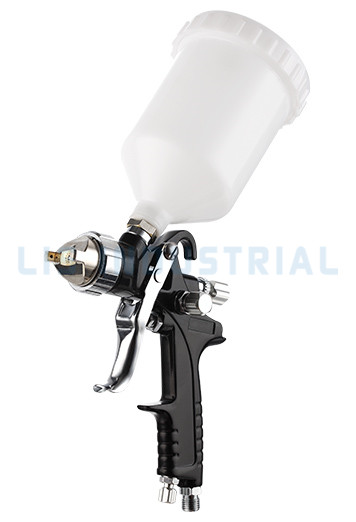
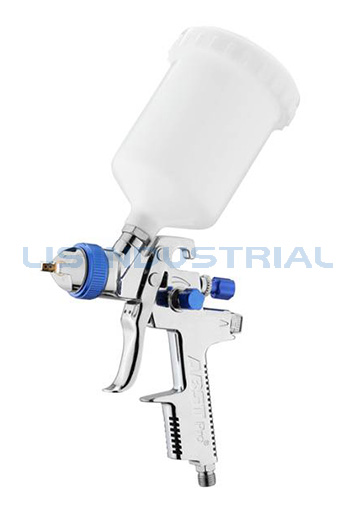
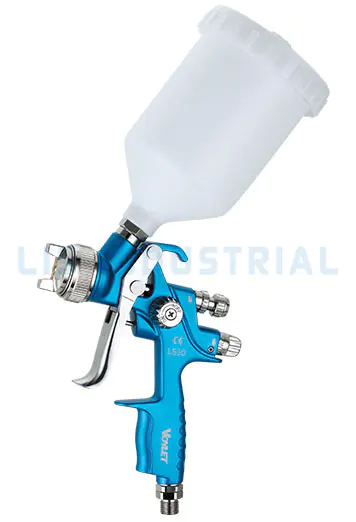
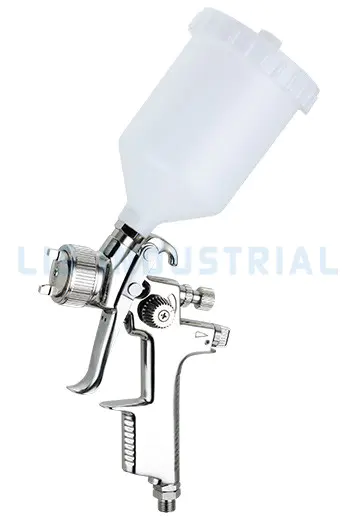
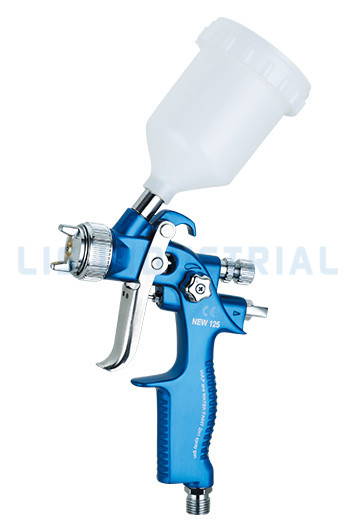
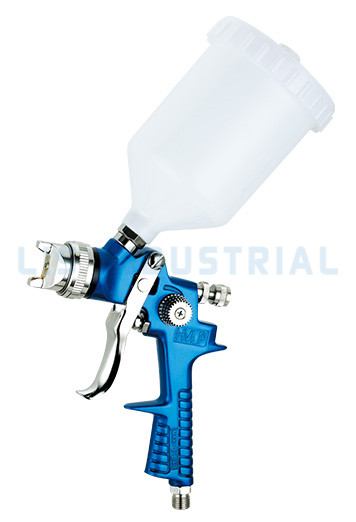
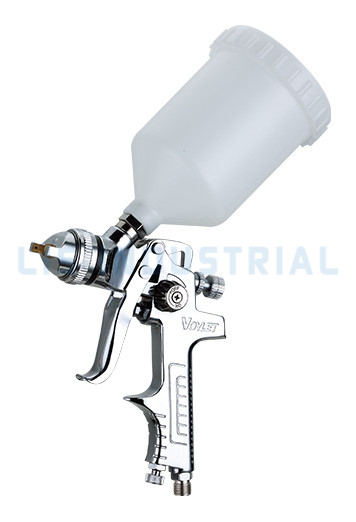
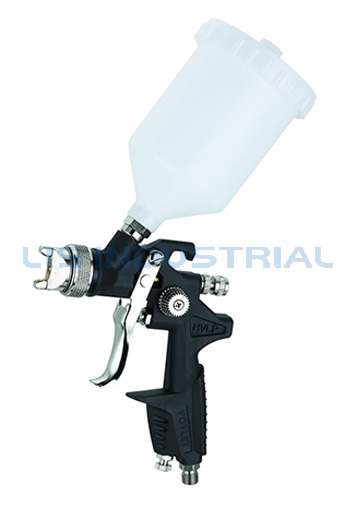
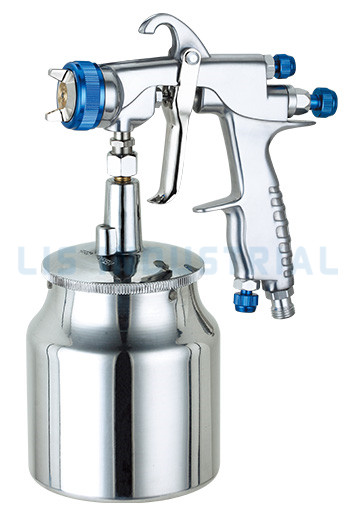
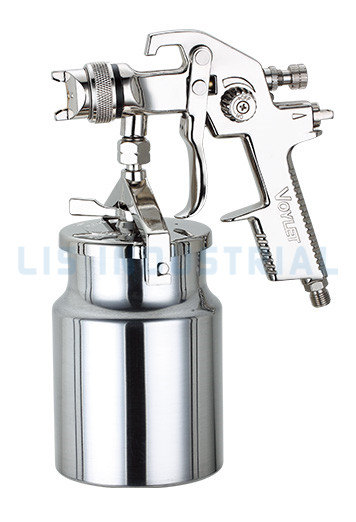
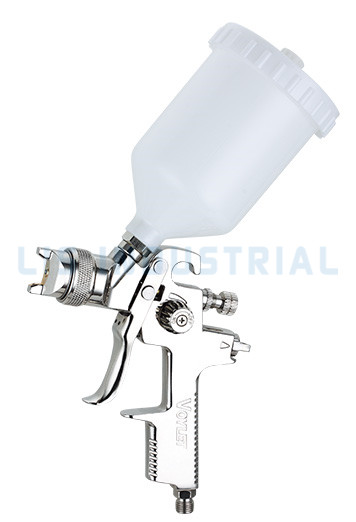
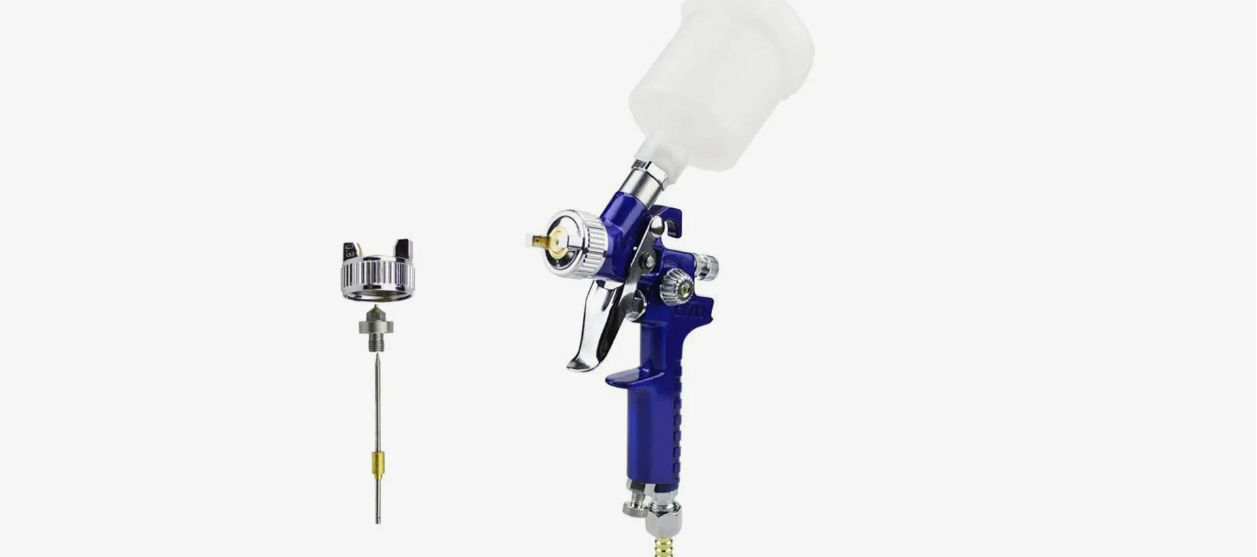
A spray gun is a tool widely used for liquid coatings such as paints, varnishes, coatings, and adhesives. It can evenly spray liquids onto the surface of objects in the form of a fine mist or spray, and is widely used in industrial manufacturing, automotive repair, and home decoration coating. However, during the spraying process, some problems are often encountered, such as uneven coating, bubbles, and sagging. This not only affects the coating quality but may also waste paint and time. Therefore, understanding and avoiding common problems in spray gun coating is crucial for improving coating quality and production efficiency.
(1) Uneven Spraying
Uneven spraying is one of the most common problems, usually manifesting as inconsistent coating thickness, resulting in some areas of the surface being too thick and others too thin, affecting aesthetics and protective effect.
Possible Causes:
Improper Spray Gun Adjustment: Improper adjustment of the spray gun nozzle, airflow, pressure, or spraying distance may lead to uneven spraying.
Spraying Speed Too Fast or Too Slow: If the spray gun is moved too fast, the paint cannot be evenly distributed; if it is moved too slowly, the paint will accumulate too thickly.
Air Compressor Problems: Unstable air source pressure may cause uneven paint spraying from the spray gun.
Solutions:
Adjust Spray Gun Settings: Ensure that the size of the spray gun nozzle and the airflow pressure match the spraying requirements. The spraying effect can be controlled by adjusting the spray gun pressure and nozzle size.
Control Spraying Speed: Maintain a smooth hand movement of the spray gun during spraying, avoiding too fast or too slow speeds. Generally, the optimal spraying speed is 10-15 cm/s. 1. Check air supply pressure: Ensure stable air supply pressure. Low or fluctuating pressure may lead to uneven spraying.
(2) Bubble Problem
Bubble is a common defect in the spraying process, especially when spraying paint or varnish. Bubbles affect the smoothness of the coating, resulting in an uneven surface.
Possible Causes:
The paint itself may contain bubbles: The paint may have contained bubbles during mixing or storage.
Air enters the paint during spraying: The spray gun may draw in air during use, causing bubbles in the sprayed paint.
Over-mixing the paint: If the paint is over-mixed before use, air will be introduced into the paint, creating bubbles.
Solutions:
Avoid over-mixing: Avoid over-mixing the paint before use, especially when using mechanical mixing. Mixing time should not be too long to reduce air entry.
Use defoamer: Adding an appropriate amount of defoamer to the paint can help eliminate bubbles.
Check the spray gun seal: Ensure the spray gun is properly sealed to prevent air from entering the paint.
(3) Sagging Problem
Sagging refers to the vertical dripping or accumulation of paint on a surface, usually occurring when the coating is too thick, affecting the smoothness and appearance of the coating.
Possible Causes:
Too Thick Spray: Applying too much paint at once results in a thick coating and sagging.
Too Close Distance Between Spray Gun and Workpiece: If the spray gun is too close to the surface, paint may accumulate, causing sagging.
Too Slow Spraying: A slow spraying speed may cause excessive paint accumulation, leading to sagging.
Solutions:
Multiple Thin Coats: To avoid applying too thick a coat at once, multiple thin coats can ensure the uniformity of the coating.
Adjust the Distance Between Spray Gun and Surface: Maintain a distance of 15-20 cm between the spray gun and the surface to avoid paint accumulation due to insufficient distance.
Increase Spraying Speed: Appropriately increase the spraying speed to reduce the paint accumulation time on the surface.
(4) Inappropriate Paint Viscosity
The viscosity of the paint is crucial to the spraying effect. If the paint viscosity is too high or too low, it will affect the spraying effect, leading to uneven coating or spraying difficulties.
Possible Causes:
Paint too thick or too thin: If the paint viscosity is not suitable for the spray gun's requirements, it may lead to uneven spraying.
Ambient temperature too low or too high: Both excessively low and excessively high ambient temperatures will affect the paint's fluidity, leading to spraying difficulties.
Solutions:
Adjust paint viscosity: Adjust the paint viscosity according to the spray gun's requirements and the paint's characteristics. Generally, a thinner can be used to adjust the paint viscosity.
Control ambient temperature: Maintain the spraying environment within a suitable temperature range, usually 20-25℃, to ensure the optimal paint viscosity.
(5) Spray Gun Clogging
Spray gun clogging is another common problem, usually caused by blockage of components such as nozzles and needle valves, preventing the spray gun from spraying normally.
Possible Causes:
Paint drying: If the paint dries inside the spray gun, it may cause nozzle clogging. Paint Impurities: Impurities or uneven particles in the paint can clog the internal channels of the spray gun.
Solutions:
Clean the spray gun regularly: Clean the spray gun promptly after spraying to prevent paint from drying and impurities from accumulating. A specialized cleaning agent can be used to clean the spray gun.
Use a filter: Install a filter between the spray gun and the paint container to filter impurities in the paint and reduce the risk of spray gun clogging.
Frequently Asked Questions Summary Table:
| Problem | Possible Causes | Solutions |
| Uneven Spray | Incorrect spray gun adjustment, spray speed too fast or too slow, unstable air pressure | Adjust spray gun settings, control spray speed, check air pressure |
| Bubbles | Bubbles in the paint, air intake during spraying, excessive stirring of the paint | Avoid excessive stirring, add defoamer, check spray gun seal |
| Runs (Drips) | Spray coat too thick, spray gun too close to surface, spraying too slowly | Apply multiple thin coats, adjust the distance between the spray gun and the surface, increase spray speed |
| Incorrect Paint Viscosity | Paint too thick or too thin, environmental temperature too high or too low | Adjust paint viscosity, control environmental temperature |
| Spray Gun Clogging | Dried paint, paint impurities | Clean the spray gun regularly, use a filter to remove paint impurities |