 Search
 English
 中文简体
中文简体 Deutsch
 Español
Content
Yes. A high-quality spray gun can increase coating efficiency by 30–50% compared with traditional brush or roller methods, while delivering a smoother and more uniform surface. For automotive painting, furniture finishing, and industrial coating, spray guns remain the most reliable solution for precision and productivity.
What Is a Spray Gun and How Does It Work?
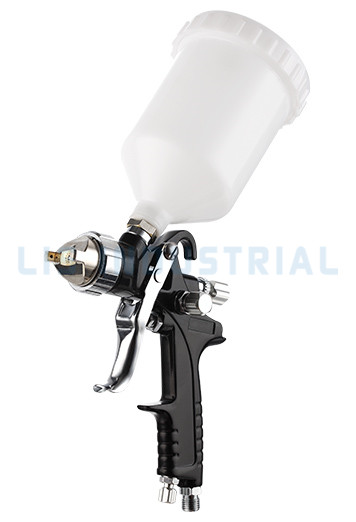
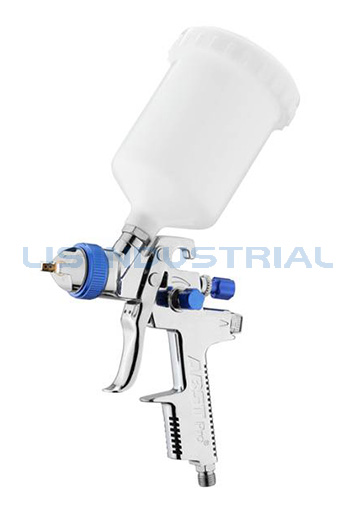
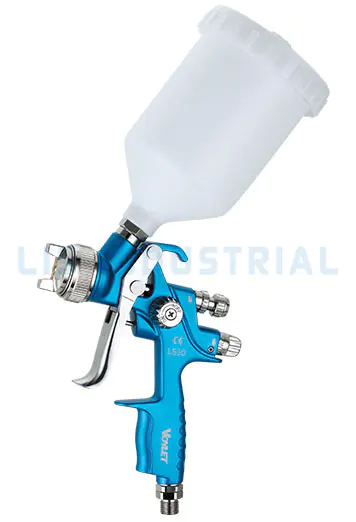
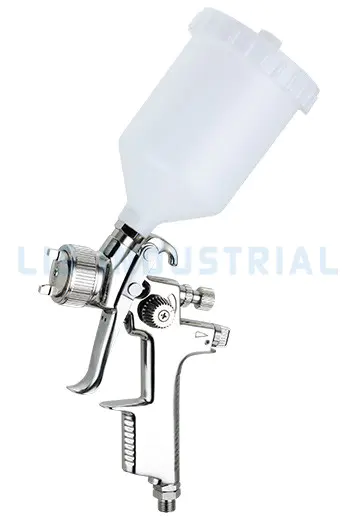
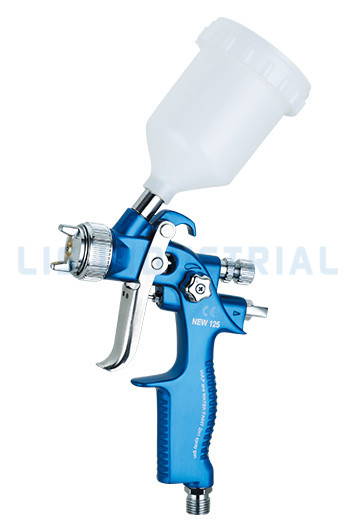
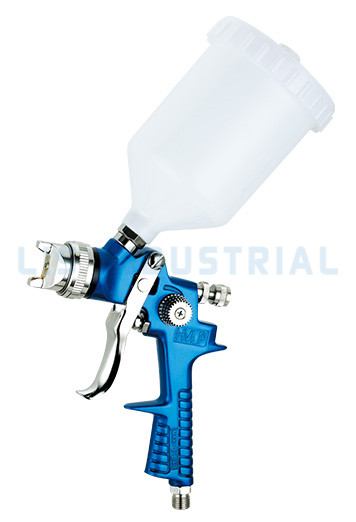
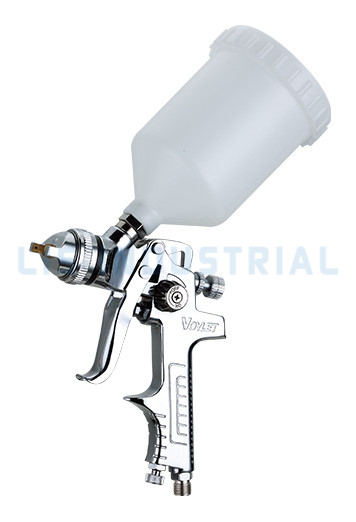
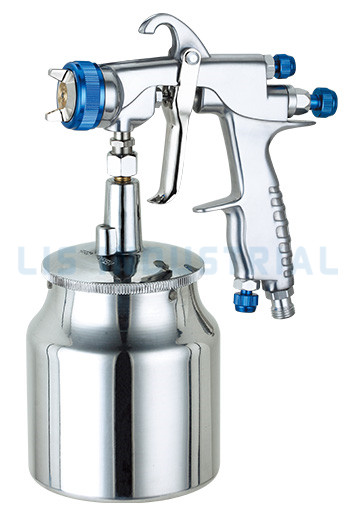
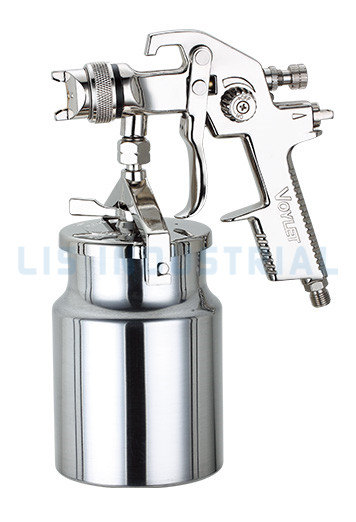
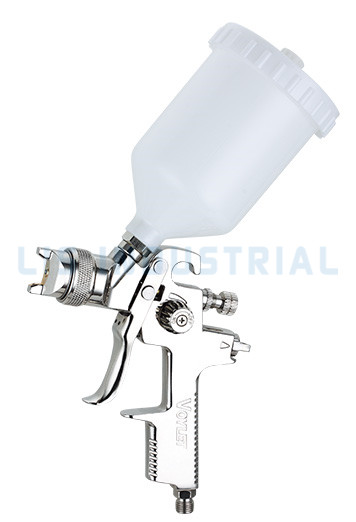
A spray gun is a tool that atomizes liquid coatings such as paint, varnish, or primer into fine droplets and applies them evenly onto a surface. It uses compressed air, electric power, or hydraulic pressure to control flow rate and spray pattern.
By breaking paint into micro-sized particles, a spray gun ensures better surface coverage and reduces visible brush marks or streaks.
Core Working Principle
- Paint is fed from a cup or pressure tank
- Air or motor power atomizes the liquid
- Fine mist is evenly distributed onto the surface
Which Spray Gun Types Are Most Common?
Different applications require different spray gun technologies. Choosing the right type directly affects finish quality and material consumption.
| Type | Efficiency | Best Use |
|---|---|---|
| HVLP | Up to 65% | Automotive, furniture |
| LVLP | 60% | DIY, small workshops |
| Airless | 70%+ | Large walls, industrial coating |
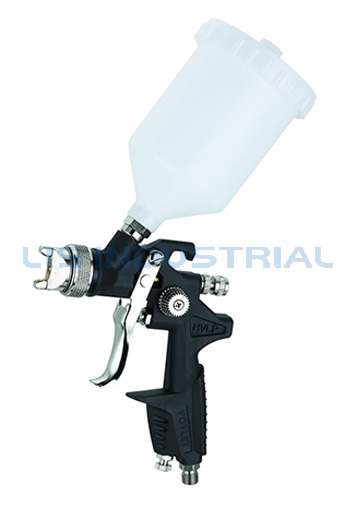
HVLP spray guns are especially popular because they reduce overspray and improve paint transfer efficiency.
Why Is a Spray Gun More Efficient Than Traditional Painting?
Compared with brushes and rollers, spray guns provide faster application speed and more consistent thickness control.
Performance Advantages
- Faster coverage: Can coat up to 15–20 m² per minute
- Uniform finish: Reduces uneven thickness and streaks
- Material savings: Up to 30% less paint waste
In automotive repair shops, switching to HVLP spray guns has reduced paint consumption by 20–25% while improving surface gloss consistency.
How to Choose the Right Spray Gun?
Selecting the correct spray gun depends on project size, coating type, and desired finish quality.
Key Selection Factors
- Nozzle size: 1.2–1.4 mm for automotive paint, 1.8–2.5 mm for primers
- Air pressure: Typical working range is 20–40 PSI
- Paint compatibility: Check viscosity and material type
- Ergonomic design: Reduces operator fatigue
For water-based coatings, stainless steel fluid passages are recommended to prevent corrosion.
What Are the Most Common Spray Gun Applications?
Spray guns are widely used across industries due to their versatility and efficiency.
- Automotive painting and refinishing
- Furniture and wood coating
- Industrial metal coating
- Architectural and decorative painting
In large construction projects, airless spray guns can reduce labor time by up to 40%.
FAQ About Spray Guns
What is the best spray gun for beginners?
HVLP spray guns are recommended for beginners because they are easy to control and produce less overspray.
How often should a spray gun be cleaned?
It should be cleaned after every use to prevent clogging and maintain consistent spray patterns.
Can one spray gun handle different types of paint?
Yes, but nozzle size and pressure settings must be adjusted according to paint viscosity.
How long does a spray gun typically last?
With proper maintenance, a professional spray gun can last 5–10 years or more.