 Search
 English
 中文简体
中文简体 Deutsch
 Español
Content
A spray gun is one of the most important tools for painting cars, furniture, walls, and industrial products. If you want smooth finishes, even coating, and faster work speed, choosing the right spray gun makes a big difference. But with so many types on the market, how do you know which one is best for your job? Let’s explain it in a simple and practical way.
What Is a Spray Gun?
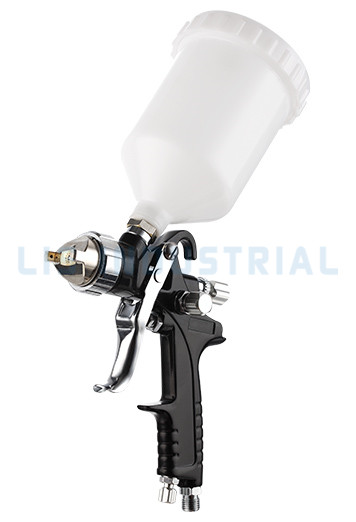
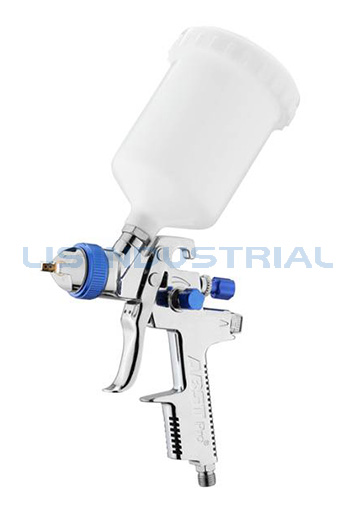
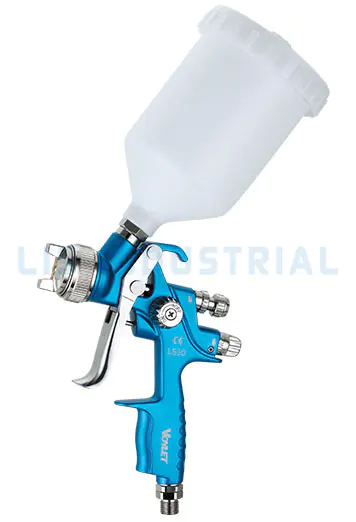
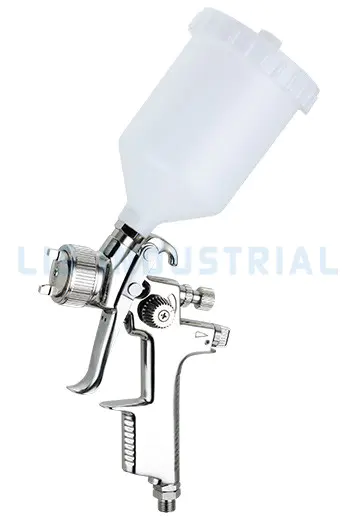
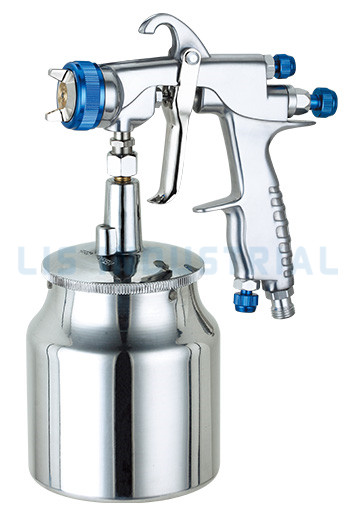
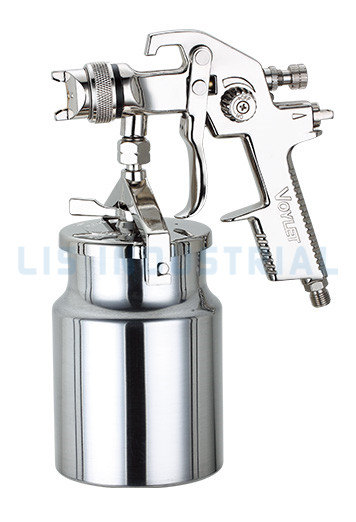
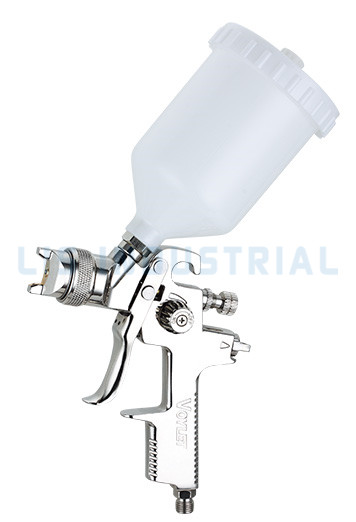
A spray gun is a device that turns liquid paint or coating into a fine mist and sprays it onto a surface. It uses air pressure, electric power, or high-pressure fluid systems to create a smooth and controlled spray pattern. Compared with brushes and rollers, spray guns provide more even coverage and professional-looking results.
They are widely used in automotive painting, furniture finishing, wall decoration, metal coating, and industrial manufacturing.
How Does a Spray Gun Work?
The working principle is simple. Paint flows from the container into the nozzle. At the same time, compressed air or electric force breaks the liquid into tiny droplets. These droplets form a fan-shaped spray pattern that coats the surface evenly.
By adjusting air pressure, paint flow, and spray width, users can control thickness, speed, and finish quality.
Common Types of Spray Guns
The most popular types include HVLP (High Volume Low Pressure), LVLP (Low Volume Low Pressure), airless spray guns, and electric spray guns. HVLP models are known for high transfer efficiency and low paint waste. Airless spray guns are great for large areas and thick coatings. Electric spray guns are popular for home and DIY projects.
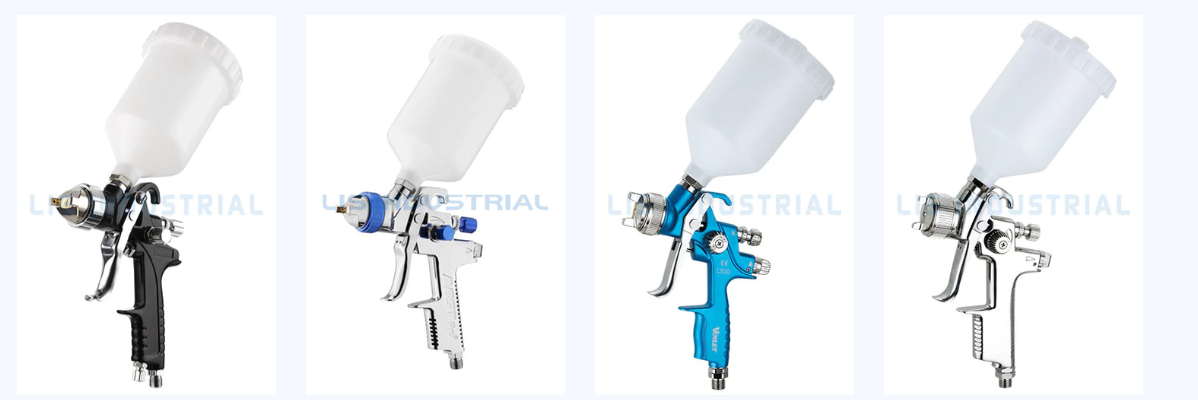
Why Using a Spray Gun Improves Painting Quality
Spray guns provide better surface coverage and smoother finishes. They reduce brush marks and uneven layers. At the same time, they save labor and shorten project time. For businesses, this means higher productivity and lower material waste.
Modern spray guns also improve paint utilization, helping users save money and reduce environmental impact.
What Should You Consider When Choosing a Spray Gun?
First, think about your application. Automotive and furniture painting usually require fine atomization, while construction projects need higher output. Next, check nozzle size, working pressure, and compatibility with your air compressor or power source.
Comfort is also important. Lightweight designs and ergonomic handles help reduce fatigue during long working hours.
Tips for Better Spray Gun Performance
Always clean the spray gun after use to avoid clogging. Use the right paint viscosity and filter your coatings before spraying. Regular maintenance keeps spray patterns stable and extends tool lifespan.
With the right spray gun and proper setup, anyone can achieve professional painting results with less effort and better efficiency.