 Search
 English
 中文简体
中文简体 Deutsch
 Español
Content
- 1 Why Is Uniform Coating a Challenge for DIY Paint Jobs? What Makes Spray Guns Superior?
- 2 HVLP, LVLP, or Airless? Which Spray Gun Type Ensures the Most Uniform Coating?
- 3 What Features Determine Coating Uniformity? Key Factors to Look for in a DIY Spray Gun
- 4 Can Beginners Achieve Uniform Coats? How to Master Spray Gun Technique for DIY Success
- 5 Which DIY Projects Benefit Most from Uniform Spray Gun Coatings? Typical Application Scenarios
- 6 How to Troubleshoot Uneven Coats? Common DIY Spray Gun Issues and Solutions
Why Is Uniform Coating a Challenge for DIY Paint Jobs? What Makes Spray Guns Superior?
For DIY enthusiasts, achieving a smooth, uniform coating is often the biggest hurdle in painting projects—brush marks, roller streaks, and uneven coverage can ruin the final result. This is where paint spray guns shine: unlike traditional tools, they atomize paint into tiny droplets that spread evenly across surfaces, eliminating visible application lines. The key advantage lies in their ability to control paint flow and spray pattern, ensuring consistent thickness from edge to edge. Whether refinishing furniture, painting walls, or updating small crafts, a spray gun transforms tedious DIY tasks into professional-looking projects. But not all spray guns are equal—factors like atomization technology, spray pattern adjustability, and paint compatibility directly impact coating uniformity, making it crucial to choose the right tool for the job.
HVLP, LVLP, or Airless? Which Spray Gun Type Ensures the Most Uniform Coating?
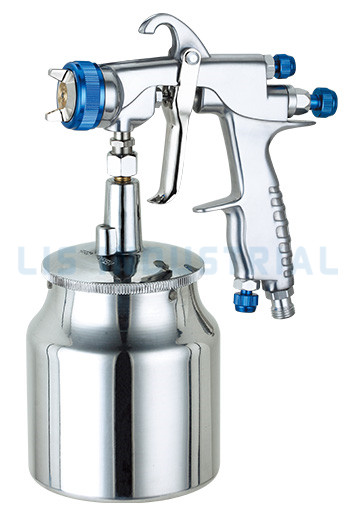
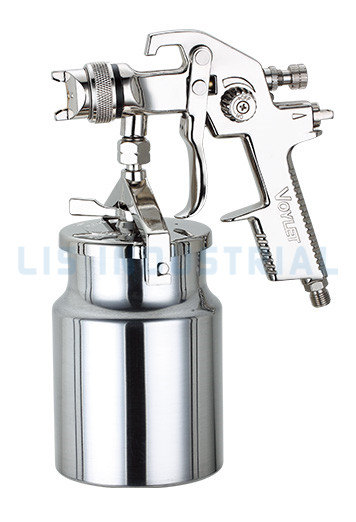
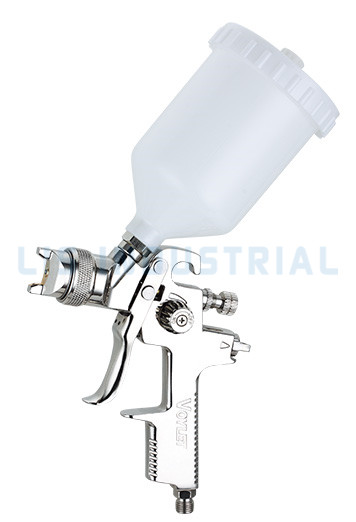
When it comes to DIY projects, three main types of spray guns compete for uniform coating performance: HVLP (High Volume Low Pressure), LVLP (Low Volume Low Pressure), and airless. HVLP guns are a top choice for beginners and seasoned DIYers alike—they use high air volume at low pressure to atomize paint, reducing overspray while delivering consistent coverage. This makes them ideal for detailed work like cabinet doors or furniture, where precision and minimal waste matter. LVLP guns, with even lower pressure, excel at thin coats and delicate surfaces, such as wood crafts or metal fixtures, ensuring smoothness without drips. Airless spray guns, which use high pressure to force paint through a nozzle, are better suited for large-scale projects like walls or fences—they cover large areas quickly with uniform thickness, though they require more practice to avoid overspray. The choice depends on the project size and surface type, but HVLP guns strike the best balance for most DIY needs.
What Features Determine Coating Uniformity? Key Factors to Look for in a DIY Spray Gun
Beyond the type, specific features directly influence a spray gun’s ability to deliver uniform coatings. Adjustable spray patterns (round, horizontal, vertical) allow customization for different surfaces—for example, a horizontal pattern works best for wide walls, while a round pattern is ideal for small objects. Paint flow control is another critical feature: the ability to adjust how much paint is released prevents uneven buildup or sparse coverage, especially when working with different paint viscosities. Nozzle size matters too—smaller nozzles (1.0-1.5mm) are perfect for thin paints like lacquers or stains, while larger nozzles (2.0-2.5mm) handle thicker paints like latex or enamel. Additionally, a well-designed fluid passage and air cap ensure consistent atomization, while lightweight ergonomics reduce hand fatigue during long projects—less fatigue means more steady operation, which translates to more uniform results.
Can Beginners Achieve Uniform Coats? How to Master Spray Gun Technique for DIY Success
Even the best spray gun won’t deliver uniform results without proper technique—and beginners can absolutely master the basics with practice. Start with surface preparation: clean, sand, and prime the surface to create a smooth base, as uneven surfaces will show through even the most consistent spray. Hold the gun 6-8 inches from the surface and move in steady, parallel strokes—avoid stopping mid-stroke, which causes paint buildup. Overlap each pass by 50% to ensure no gaps, and apply thin, multiple coats instead of one thick coat—thick coats are prone to dripping and uneven drying. Adjust the paint viscosity as needed: too-thin paint will run, while too-thick paint will clog the nozzle and create uneven sprays. Practicing on scrap material first helps familiarize you with the gun’s flow and pattern, building confidence before tackling the actual project. With these tips, beginners can achieve professional-level uniform coatings.
Which DIY Projects Benefit Most from Uniform Spray Gun Coatings? Typical Application Scenarios
Uniform coatings from spray guns elevate a wide range of DIY projects, turning ordinary items into polished pieces. Furniture refinishing is a top use case—spray guns apply paint or stain evenly to wooden chairs, tables, or dressers, highlighting the wood grain without brush marks. Home decor projects like painting picture frames, vases, or shelves benefit from the smooth finish, making small items look store-bought. Exterior projects such as refinishing a deck, painting a garden fence, or updating outdoor furniture require uniform coverage to withstand weathering, and spray guns ensure every nook and cranny is protected. Even automotive DIY tasks like touching up a car’s trim or painting a motorcycle part benefit from spray guns, as they deliver the thin, even coats needed for a seamless match. For any project where appearance and durability matter, a spray gun’s uniform coating is a game-changer.
How to Troubleshoot Uneven Coats? Common DIY Spray Gun Issues and Solutions
Even with careful preparation, DIYers may encounter uneven coatings—understanding common issues and their fixes ensures project success. Overspray (fine paint mist landing outside the target area) often stems from holding the gun too far or using too high pressure—adjust the distance and reduce pressure for better control. Drips occur from excessive paint flow or slow movement—thin the paint, increase stroke speed, or apply lighter coats. Dry, patchy areas indicate insufficient paint flow or clogged nozzles—clean the nozzle, adjust the flow control, or thin the paint. Orange peel (a bumpy, textured finish) is caused by poor atomization—check the air cap, adjust pressure, or ensure the paint is properly thinned. By identifying these issues early and making simple adjustments, DIYers can correct unevenness and achieve the smooth, uniform coating they desire.