 Search
 English
 中文简体
中文简体 Deutsch
 Español
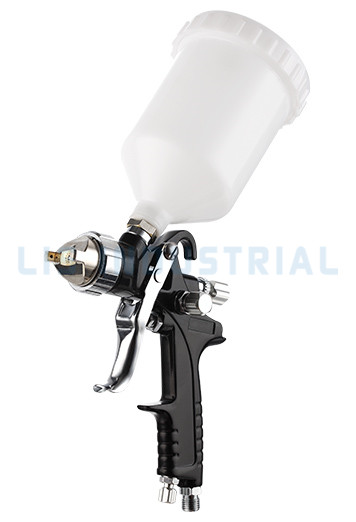
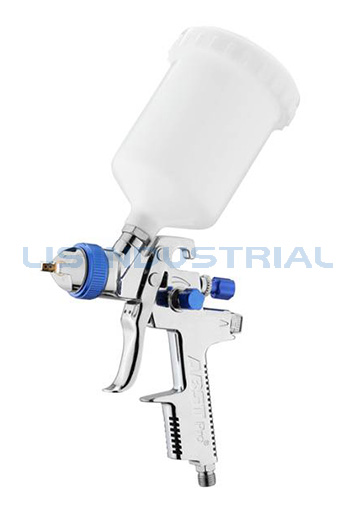
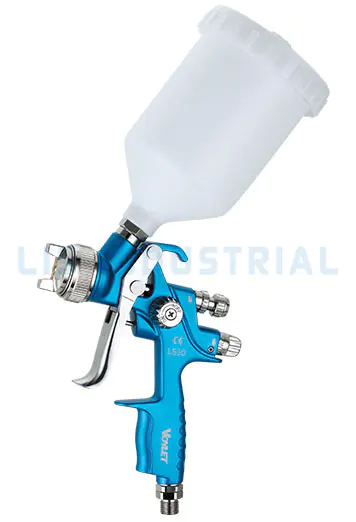
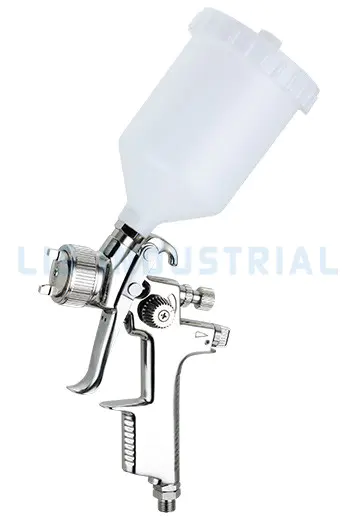
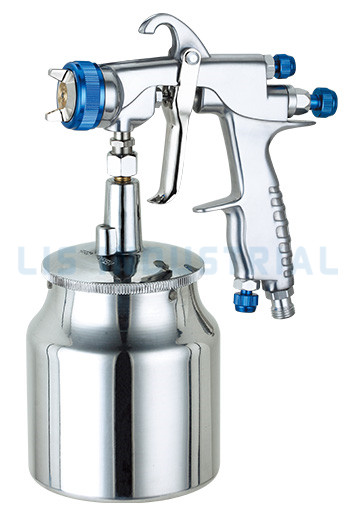
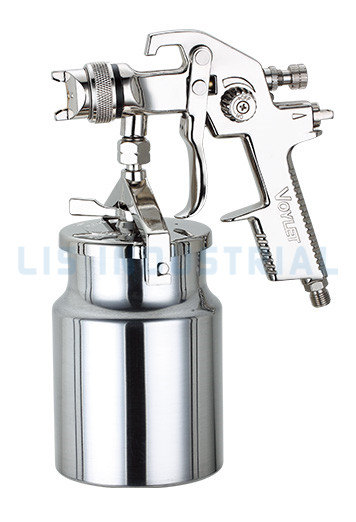
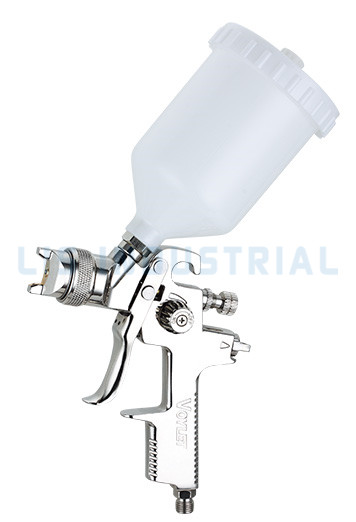
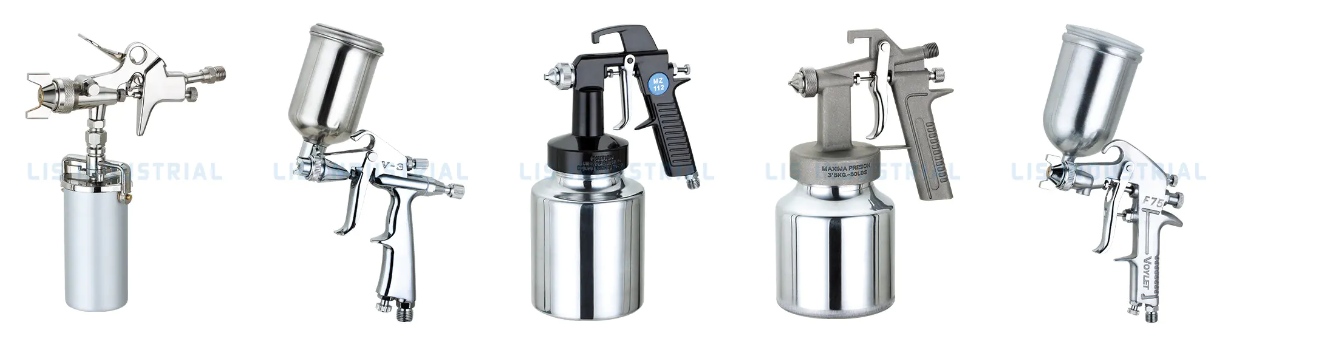
The spray gun is one of the most commonly used tools in the spraying process, widely used in automotive, home appliance, furniture, industrial coating, and many other industries. Improving the spray gun coating effect can not only enhance the quality of the coating but also increase work efficiency and reduce paint waste. This article will introduce some techniques and precautions for improving spray gun coating results.
1. Choosing the Appropriate Spray Gun and Nozzle Size
The type of spray gun and the size of the nozzle directly affect the coating effect. When selecting a spray gun, the appropriate spray gun model and nozzle size should be chosen according to the specific requirements of the spraying project.
For example: Small nozzles are suitable for fine spraying, such as furniture and automotive coatings that require high precision; Large nozzles are suitable for large-area coatings or spraying high-viscosity paints.
A nozzle size that is too small will result in excessive spraying pressure and insufficient paint atomization; a nozzle size that is too large will result in excessive paint flow, wasting material and causing uneven spraying.
2. Adjusting Spraying Pressure and Airflow
Spraying pressure is one of the key factors in achieving the best coating effect. Excessive pressure can lead to over-atomization of the paint, generating more aerosols and paint haze, affecting surface quality; while insufficient pressure results in low spraying efficiency and uneven paint coverage. Generally, the working pressure of the spray gun should be adjusted according to the type of paint and the specifications of the spray gun.
Low-pressure spraying: Suitable for thin coatings or fine processes, avoiding excessive paint atomization.
High-pressure spraying: Suitable for large-area coating, improving spraying efficiency, but attention must be paid to the degree of paint atomization.
The paint can be evenly sprayed onto the surface by adjusting the airflow and pressure of the spray gun.
3. Properly Control Spraying Distance and Angle
The distance between the spray gun and the workpiece surface, as well as the spraying angle, have a significant impact on the coating effect. The correct spraying distance avoids over- or under-coating, achieving optimal coating uniformity.
Spraying Distance: Generally, the spray gun should be maintained at a distance of approximately 15-20 cm from the workpiece surface. Too close a distance may cause paint sagging and uneven coating thickness; too far a distance will result in uneven paint coverage and unsatisfactory results.
Spraying Angle: The spray gun should be kept perpendicular to the workpiece surface, avoiding tilted spraying as much as possible. Tilting the spray gun leads to uneven coating distribution and increases waste due to airflow.
4. Choose the right spraying material and thinner
The choice of paint is crucial to the spraying effect. Different types of paint have different viscosities and flowability; using unsuitable paint or thinner will affect the spraying quality. For example, using paint that is too thick will result in uneven spraying, while paint that is too thin will result in insufficient coverage.
Choose the right thinner: Select the appropriate thinner according to the type of paint and the requirements of the spray gun to ensure that the paint has the appropriate viscosity.
Prepare the paint ratio: Mix the paint and thinner according to the manufacturer's recommended ratio to ensure that the paint can pass smoothly through the nozzle and be sprayed evenly.
5. Keep the spray gun clean and maintained
The cleanliness and maintenance of the spray gun are key factors in improving the spraying effect. Once paint residue or dirt accumulates inside the spray gun, it can easily lead to nozzle clogging or uneven spraying. Therefore, it is very important to clean and maintain the spray gun regularly.
Clean the nozzle regularly: After each spraying session, clean the spray gun promptly, especially components such as the nozzle, needle valve, and airflow regulating valve.
6. Controlling Spraying Speed and Movement Technique
The speed at which the spray gun moves directly affects the uniformity of the coating. Maintaining a constant speed and a stable technique during spraying ensures even coating coverage.
Uniform Movement: When moving the spray gun, maintain a stable speed to avoid localized overspraying or paint buildup. It is recommended to move the spray gun evenly along the workpiece surface, avoiding prolonged stays in one position.
Cross-Spraying: During spraying, a cross-spraying method can be used, changing the spray direction with each layer to ensure a uniform coating without dead spots.
7. Adjusting the Atomization Effect
The atomization effect of the paint determines the smoothness and uniformity of the coating. If the atomization is too coarse, the coating will be uneven, resulting in sagging; if the atomization is too fine, the paint may spread excessively, leading to paint waste.
Adjusting the Air Pressure and Nozzle Orifice Diameter: Adjust the air pressure and nozzle orifice diameter of the spray gun according to the spraying requirements to ensure a moderate paint atomization effect.
Controlling paint flow: During spraying, adjust the paint flow rate to avoid excessive or insufficient paint, ensuring optimal coating results.
Improving spray gun performance depends not only on proper equipment selection but also on attention to every detail of the spraying process. Properly adjusting the spray gun pressure, distance, and angle, selecting appropriate paint and thinner, and maintaining the spray gun regularly all contribute to improved spray quality. Accumulating experience through practice and continuously optimizing the spraying process are essential to achieving optimal spraying results and improving work efficiency and product quality.