 Search
 English
 中文简体
中文简体 Deutsch
 Español
Spray guns, as a common and important tool in the coating industry, are widely used in various fields such as automobiles, furniture, construction, and industrial equipment. Spraying with a spray gun allows for quick and efficient application of a uniform coating. However, the quality of the spraying effect depends not only on the quality of the spray gun itself but also on operating techniques, environmental factors, and material characteristics. Mastering the correct spray gun spraying techniques is crucial for improving coating results.
1. Choosing the Right Spray Gun
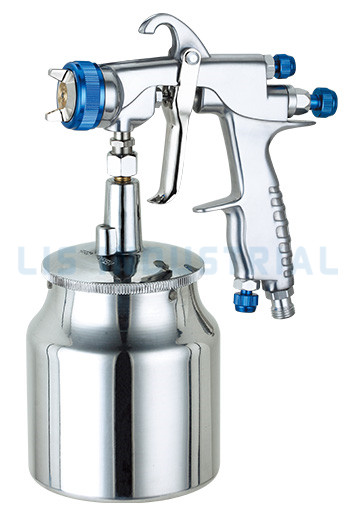
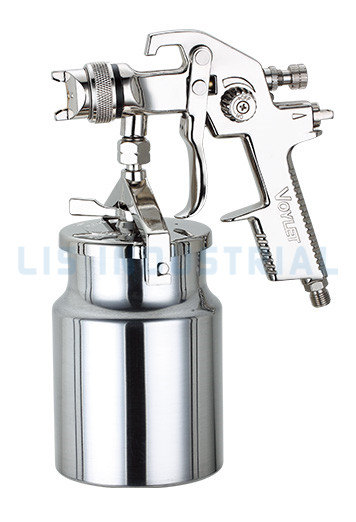
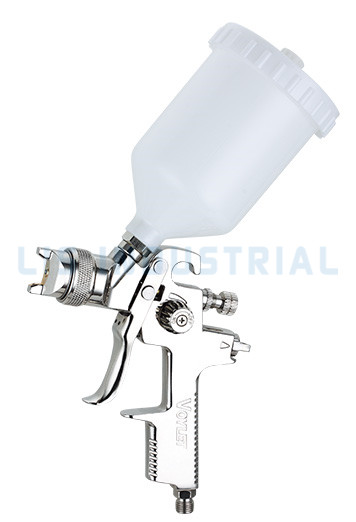
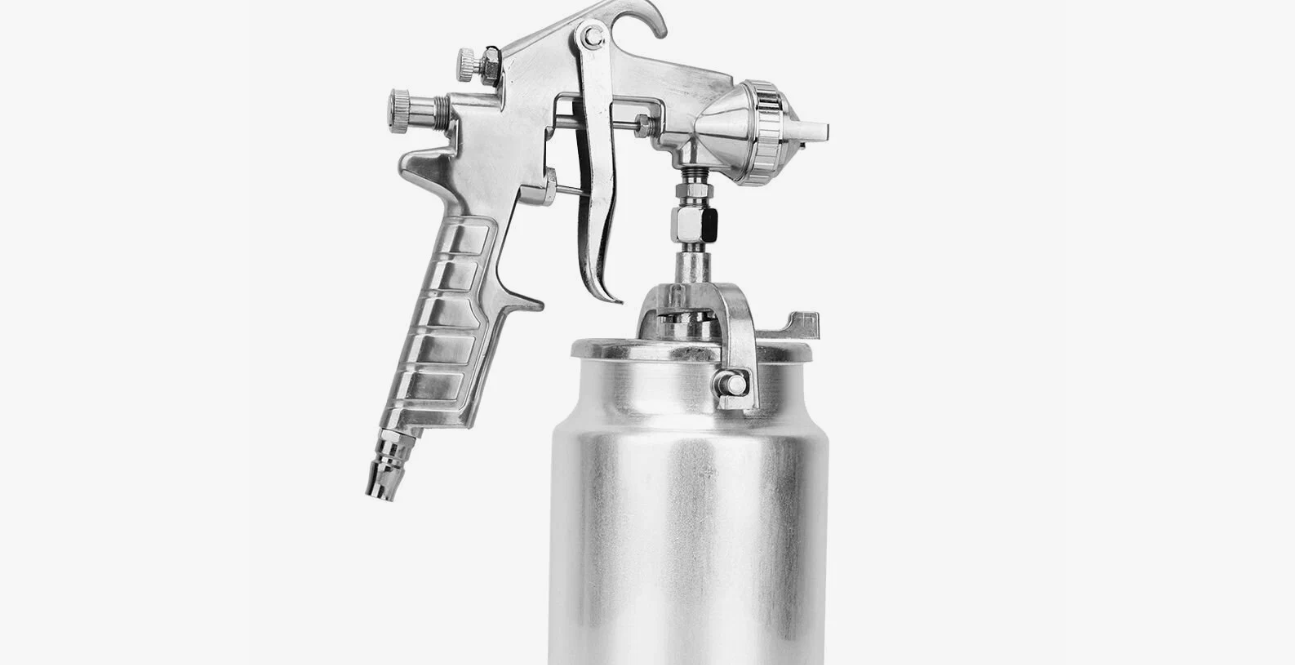
There are many types of spray guns, including gravity-feed spray guns, suction-feed spray guns, and pressure-feed spray guns. Different types of spray guns are suitable for different coating needs, so choosing the right spray gun is crucial.
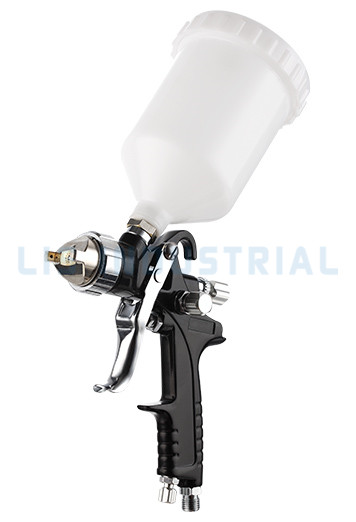
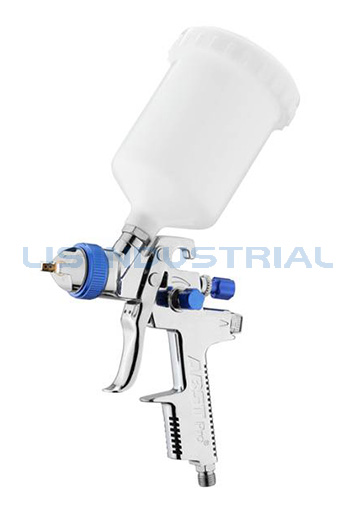
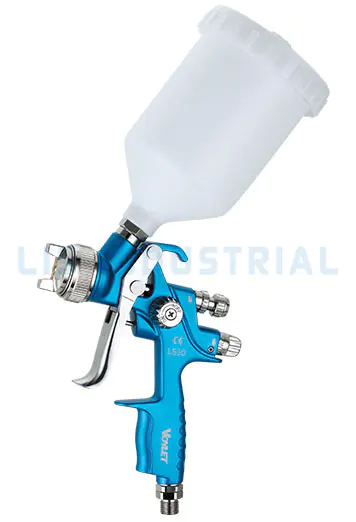
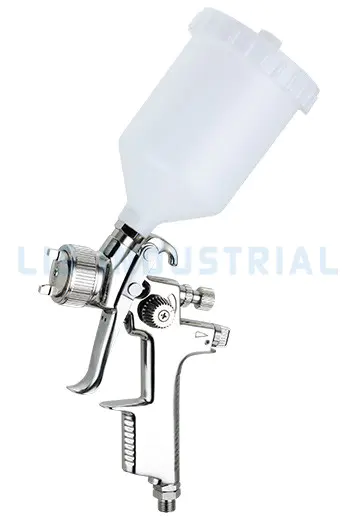
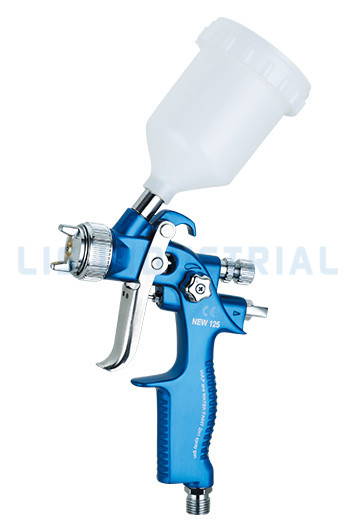
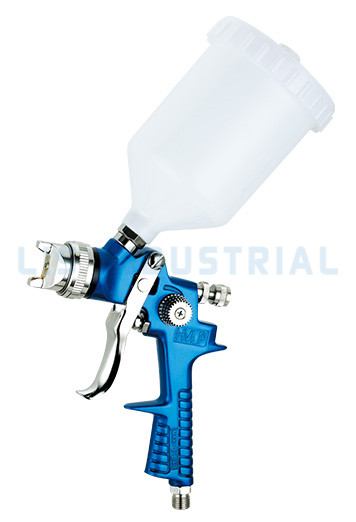
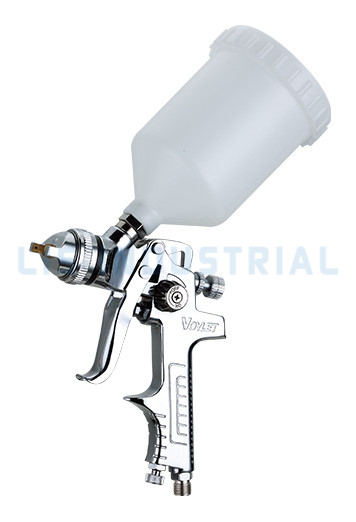
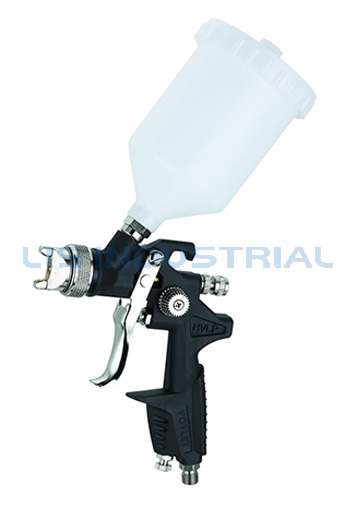
Gravity-feed spray gun: Suitable for fine coating work, providing a uniform and delicate coating, widely used in automobiles, furniture, etc.
Suction-feed spray gun: Suitable for large-area coating or situations that do not require overly detailed spraying; the paint supply method is simple.
Pressure-feed spray gun: Suitable for large-volume spraying, allowing for continuous coating application, typically used in large-scale industrial coatings.
Recommendation: Choose the most suitable spray gun type based on the spraying area, paint type, and coating requirements to ensure optimal spraying results.
2. Adjusting Spray Gun Spraying Parameters
The spraying effect of a spray gun largely depends on the adjustment of spraying parameters. The main parameters include spraying pressure, spraying distance, nozzle size, and spraying angle.
Spraying pressure: Spraying pressure determines the atomization effect of the paint. Too high a pressure may lead to excessive atomization, resulting in a too-thin coating or excessive overspray; too low a pressure will result in uneven paint application and sagging. It is usually recommended to set the pressure between 3-5 bar, depending on the type of spray gun and paint used.
Spraying distance: The distance between the spray gun and the workpiece surface is usually kept between 15-25 centimeters. If the distance is too close, it may lead to excessive paint application and sagging; if the distance is too far, it may lead to uneven coating or even dry spraying.
Nozzle size: The size of the nozzle directly affects the paint flow rate and spraying area. Generally, larger nozzles are suitable for large-area coating, while smaller nozzles are suitable for fine spraying work. The nozzle size should be adjusted according to the viscosity of the paint and the coating requirements.
Spraying Angle: The spraying angle of the spray gun should be kept at an appropriate angle to the workpiece surface, generally 90 degrees is ideal. If a larger area needs to be covered, the spraying angle can be appropriately increased, but too large an angle will lead to uneven paint distribution.
Suggestion: Before formal spraying, a small-scale test can be conducted to adjust these spraying parameters to find the most suitable spraying settings.
3. Mastering Spraying Movement Techniques
The movement technique during spraying directly affects the uniformity of the coating and the adhesion of the paint. Correct spraying techniques can avoid problems such as excessive thickness, insufficient thickness, and sagging. The following are some common movement techniques:
Even Movement: The spray gun should maintain a constant speed during the spraying process. The arm movement should be smooth, avoiding staying in one place for too long, which can cause paint accumulation or sagging. Horizontal or vertical sweeping motions can be used, or a circular motion can be employed.
Overlapping Spraying: To ensure a uniform coating, a certain degree of overlap should be maintained during spraying. It is generally recommended that each spray pass overlaps the previous one by 50% to 70%, which can prevent uneven coating.
Avoid Over-Spraying: Avoid applying too thick a coat in one go. An excessively thick coating is prone to sagging and affects the coating effect. Spraying can be done in multiple passes, controlling the thickness of each pass to between 0.5-1 mm, gradually achieving the desired coating thickness.
Suggestion: Practice a uniform spraying motion and pay attention to the movement speed of the spray gun, avoiding staying in one place for too long.
4. Controlling Paint Viscosity
The viscosity of the paint directly affects the spraying effect of the spray gun. If the paint viscosity is too high, the atomization effect of the spray gun will be poor, and the paint will be difficult to apply evenly, potentially resulting in a granular surface; while too low viscosity may lead to paint splashing, causing waste and an uneven coating. Viscosity control depends on the type of paint and its application environment. Testing Viscosity: The commonly used method for testing paint viscosity is using a viscosity cup to ensure the paint viscosity is suitable for spraying. Different types of spray guns have different viscosity requirements, so when adjusting the paint viscosity, refer to the spray gun's instruction manual.
Adjusting Temperature: In high-temperature environments, the viscosity of the paint will decrease; in low-temperature environments, the viscosity will increase. Timely adjustment of the paint temperature helps maintain the appropriate viscosity and ensures good spraying results.
Suggestion: Use appropriate solvents or thinners to adjust the paint viscosity, ensuring moderate fluidity for more even spraying.
5. Maintaining Spray Gun Cleanliness and Maintenance
The cleanliness of the spray gun directly affects the spraying effect and the service life of the equipment. If the spray gun is not cleaned for a long time, it will lead to problems such as nozzle clogging and uneven spraying, and in severe cases, it may even damage the spray gun.
Cleaning the Nozzle and Air Passages: After each use of the spray gun, thoroughly clean the nozzle and air passages. Use a special cleaning agent or solvent to clean the spray gun, ensuring no paint residue remains.
Regularly Inspect the Spray Gun: Regularly inspect all parts of the spray gun to ensure there is no wear or damage, especially the nozzle, needle valve, and adjustment buttons. Damaged parts should be replaced promptly to avoid affecting the spraying effect.
Suggestion: Develop a good habit of cleaning the spray gun after spraying to ensure that each use of the spray gun provides the best spraying results.
6. Environmental Control
Factors such as temperature, humidity, and air flow in the spraying environment also affect the coating effect. For example, excessively high humidity can lead to uneven drying of the paint, while strong winds can cause paint loss and uneven application. The ideal spraying environment temperature is usually 20-25℃, and the humidity is around 50%.
Suggestion: Before spraying, ensure that the environmental conditions meet the requirements of the paint manufacturer, and avoid spraying in harsh environments.