 Search
 English
 中文简体
中文简体 Deutsch
 Español
Content
- 1 What factors should be prioritized when choosing a spray gun kit?
- 2 How do power and working efficiency differ between professional and home kits?
- 3 What gaps exist in precision and durability between the two types?
- 4 Which safety and practical features distinguish professional and home spray gun kits?
What factors should be prioritized when choosing a spray gun kit?
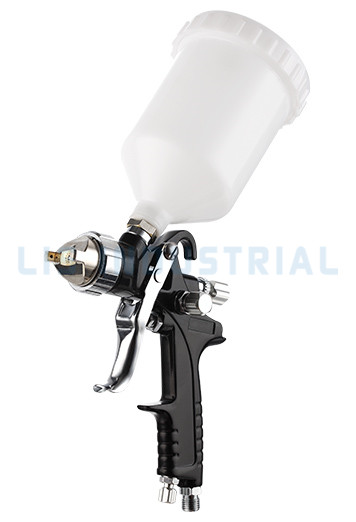
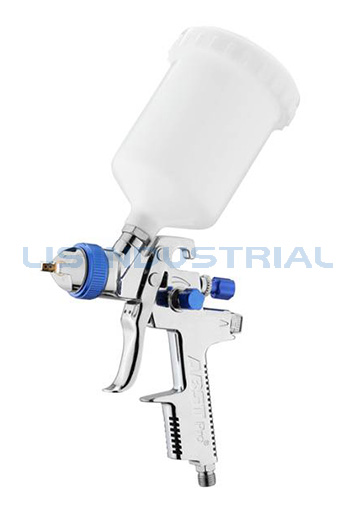
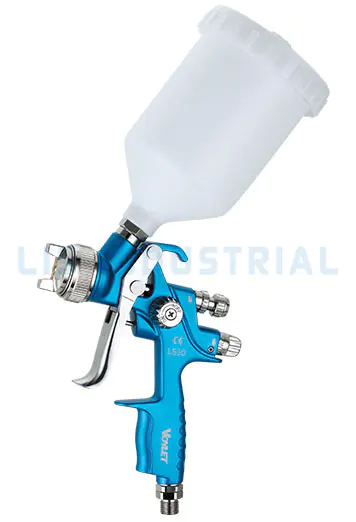
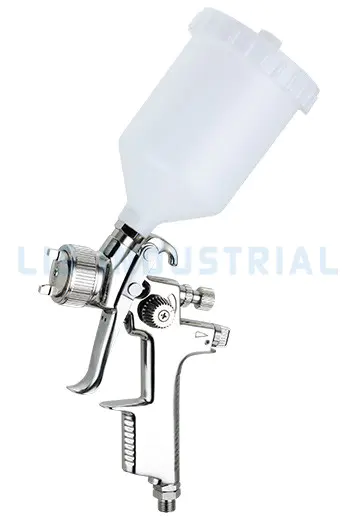
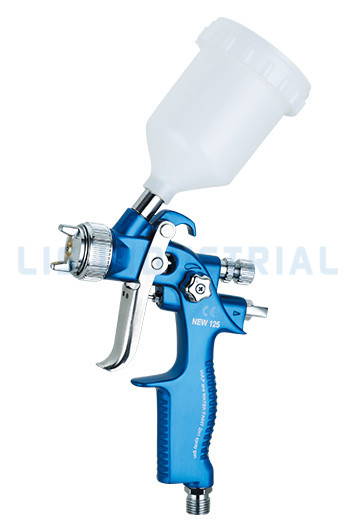
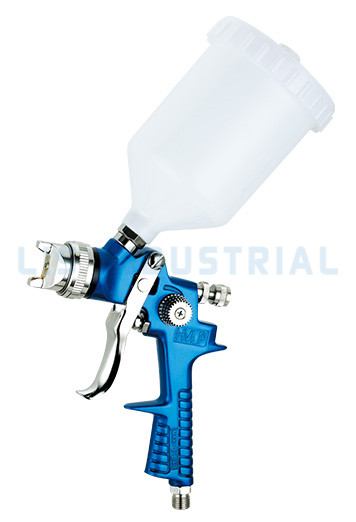
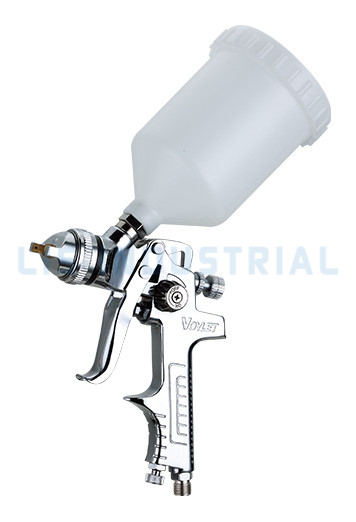
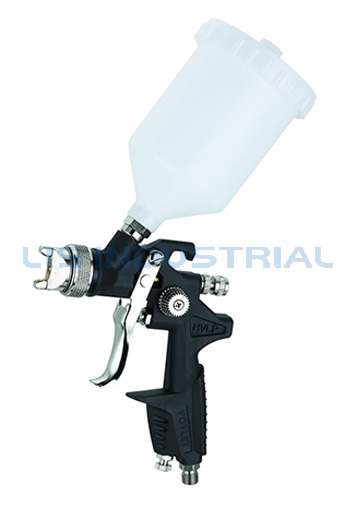
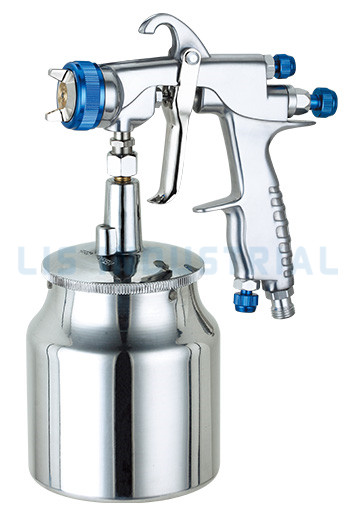
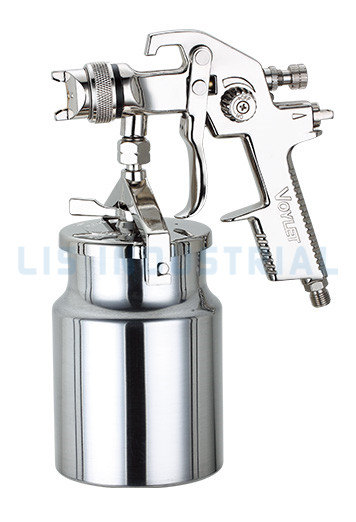
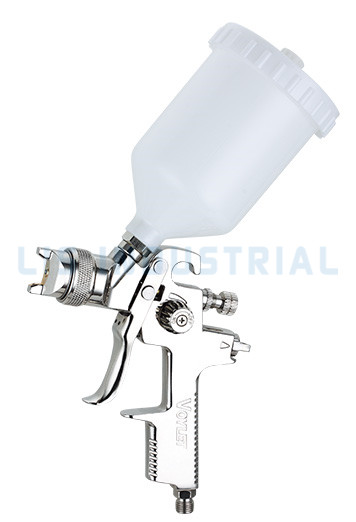
Selecting a spray gun kit starts with clarifying usage scenarios and core needs. The type of spray gun is the first decision point—gravity-type models with paint cups on top offer over 95% paint utilization, making them ideal for small-area, multi-color projects like model making or minor repairs. Suction-type kits with larger paint cups (500ml-1L) are suitable for medium-area tasks such as furniture renovation, while pressure-fed systems excel at large-scale, high-efficiency spraying like building exteriors.
Nozzle size and performance parameters directly affect results. Fine nozzles (0.5-1.0mm) handle precise work, while thicker ones (1.5-2.0mm) suit large-area applications like wall painting. Pay attention to atomization effect—quality kits produce 15-30μm particles for smooth finishes—and adjustable spray width (5-30cm) to adapt to different project scales.
Ergonomics and maintenance also matter. Weight should match usage duration—lighter models (around 1.2kg) work for occasional home use, while professional tools (1.6kg+) balance durability and comfort for continuous operation. Easy-to-clean components and replaceable parts reduce long-term hassle.
How do power and working efficiency differ between professional and home kits?
Power systems are a fundamental distinction. Home-use kits often adopt electric designs for simplicity, with flow rates ranging from 0.5-1.5L/min to meet DIY needs like small furniture touch-ups or craft projects. They prioritize ease of use over speed, with straightforward operation requiring minimal setup.
Professional-grade kits typically use pneumatic or high-pressure systems, delivering hourly spraying efficiency of 50-100㎡—far exceeding home models. Their pressure range (1-10bar) features linear flow control, ensuring stable paint output even for high-viscosity materials. This makes them suitable for large projects like vehicle refinishing or industrial production lines that demand consistent results.
Continuous operation capability also varies. Home kits are designed for intermittent use, while professional models support long working hours with robust cooling and pressure stabilization systems to avoid performance drops.
What gaps exist in precision and durability between the two types?
Precision control sets professional kits apart. They offer 0.1ml/min flow adjustment precision and spray pattern edge clarity—critical for tasks like automotive painting where unevenness is unacceptable. Professional nozzles, often made of hard alloy, maintain consistent atomization even after extended use, with thickness fluctuations kept within ±5μm.
Home-use kits prioritize basic functionality, with simpler flow and pressure control. While sufficient for non-professional needs like wall touch-ups or wooden toy painting, they may produce slight inconsistencies in film thickness or atomization. Their nozzles and gun bodies use more economical materials, with shorter service lives—filter elements and nozzles require more frequent replacement.
Durability aligns with usage intensity. Professional kits feature corrosion-resistant coatings and reinforced structures to withstand frequent use with various paints and solvents. Home models are lighter and more compact, optimized for occasional use rather than heavy-duty applications.
Which safety and practical features distinguish professional and home spray gun kits?
Safety designs cater to different user proficiency levels. Home kits emphasize simplicity with anti-mistrigger switches and basic overload protection, reducing accident risks for inexperienced users. They often have lighter weight and ergonomic grips for easy one-handed operation.
Professional kits include advanced safety features like temperature monitoring and pressure balance systems, preventing overheating or uneven paint flow in complex environments. They may also offer specialized configurations like anti-drip nozzles or adjustable air caps, supporting professional techniques such as layered spraying or texture creation.
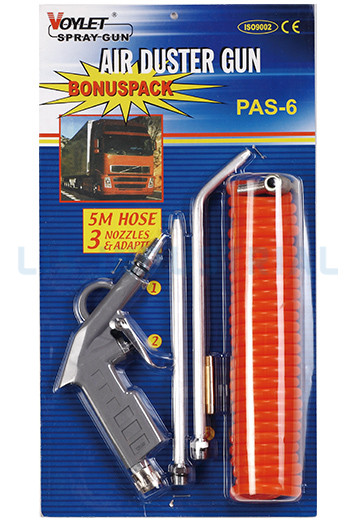
Practical accessories reflect usage needs. Home kits typically come with 2-3 basic nozzles and simple cleaning tools, covering common DIY scenarios. Professional kits include a wider range of nozzles, pressure regulators, and detailed maintenance tools, adapting to diverse materials and project requirements.