 Search
 English
 中文简体
中文简体 Deutsch
 Español
Content
- 1 Main Types of Spray Guns and When to Use Them
- 2 Comparing Spray Gun Types Across Key Criteria
- 3 Spray Gun Pressure Settings for Different Materials
- 4 Choosing the Right Spray Gun Nozzle Size
- 5 Step-by-Step Spray Gun Setup
- 6 How to Use a Spray Gun for an Even Finish
- 7 Pressure Pot Spray Gun Systems for Continuous Work
- 8 How to Clean a Spray Gun Properly
- 9 About Ningbo Lis Industrial Co., Ltd.
- 10 Frequently Asked Questions
- 10.1 Q1: What is a spray gun?
- 10.2 Q2: How does a spray gun work?
- 10.3 Q3: What are the different types of spray guns?
- 10.4 Q4: What pressure should I use for a spray gun?
- 10.5 Q5: How do I choose the right nozzle size?
- 10.6 Q6: How often should I clean my spray gun?
- 10.7 Q7: Can I spray latex paint with an HVLP gun?
- 10.8 Q8: What is a pressure pot spray gun used for?
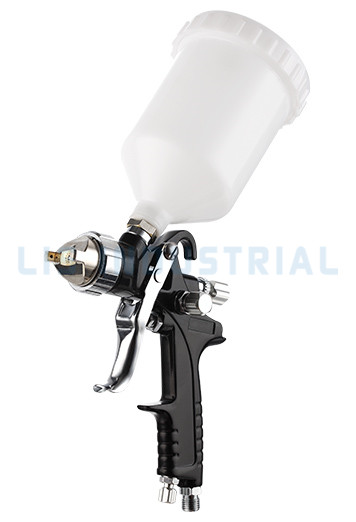
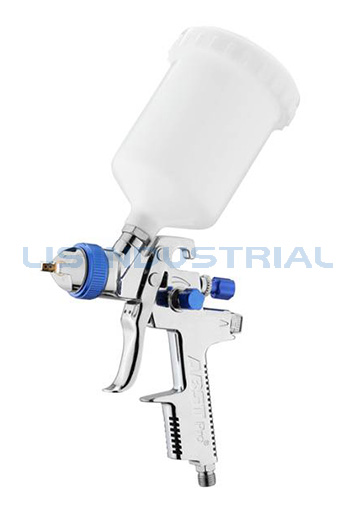
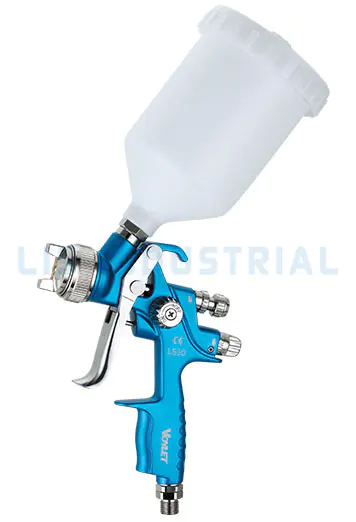
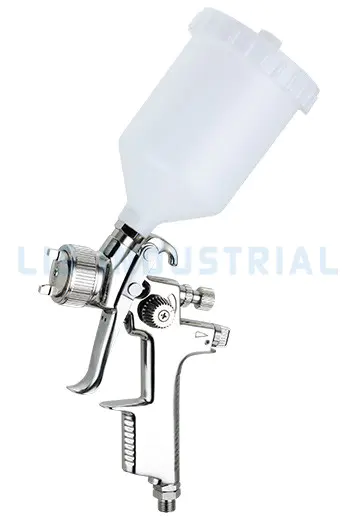
The right spray gun depends on three factors working together: atomization technology, nozzle size, and air pressure settings matched to the coating material being applied. For most general painting tasks, an HVLP spray gun with a 1.3 to 1.5mm nozzle running at moderate inlet pressure delivers the best balance of finish quality and material transfer efficiency. Heavier coatings or large surface areas often call for airless or air-assisted airless systems instead.
This guide breaks down spray gun types, pressure settings, nozzle sizing, and setup steps so you can match a paint spray gun to your specific project, whether that is furniture finishing, automotive refinishing, or industrial coating lines.
Main Types of Spray Guns and When to Use Them
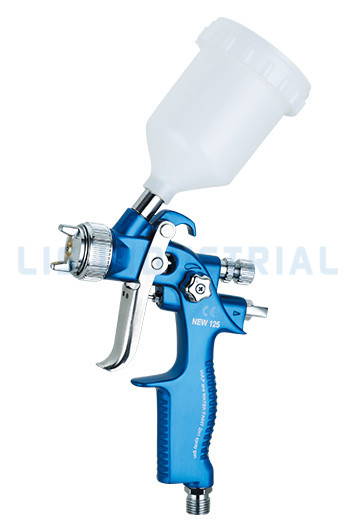
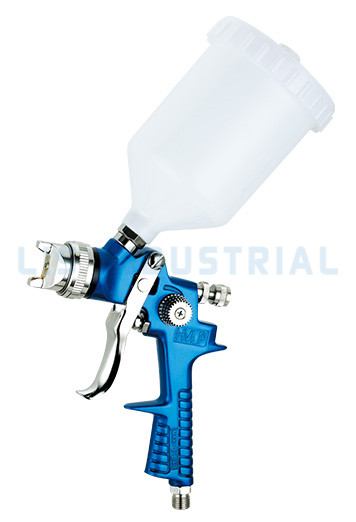
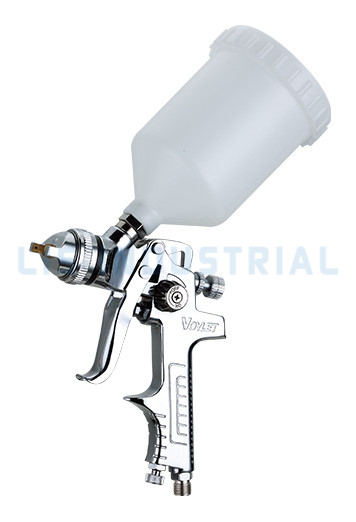
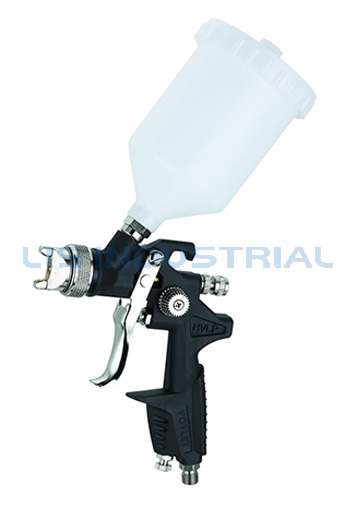
A spray gun atomizes paint or coating material into fine droplets using compressed air or fluid pressure, producing a smooth and even finish across the surface. Different spray gun designs achieve atomization in different ways, which affects transfer efficiency, overspray, and suitability for various coating viscosities.
- HVLP spray guns (high volume low pressure paint sprayer): use a large volume of air at low pressure, offering high transfer efficiency and reduced overspray, ideal for furniture and detail work.
- LVLP spray guns: use less air volume than HVLP while still operating at low pressure, suited to smaller compressors and light-duty tasks.
- Conventional spray guns: operate at higher pressure for fast atomization, commonly used in industrial settings where speed matters more than overspray control.
- Airless spray guns: use hydraulic pressure rather than air to push paint through the nozzle, well suited to large surfaces and thicker coatings.
- Air-assisted airless spray guns: combine hydraulic pressure with a small amount of air for finer atomization on bigger jobs.
Comparing Spray Gun Types Across Key Criteria
Choosing between an HVLP, conventional, or airless spray gun machine depends on how each type performs across transfer efficiency, finish quality, production speed, and ease of cleanup. The radar chart below compares HVLP and conventional spray guns across four practical performance criteria.
The comparison shows that HVLP spray guns score higher on transfer efficiency and low overspray, which explains their popularity for indoor furniture and cabinetry work. Conventional spray guns lead slightly on raw speed, making them a common choice on industrial spray gun lines where throughput is prioritized over material savings.
Spray Gun Pressure Settings for Different Materials
Correct spray gun pressure settings directly affect atomization quality and finish consistency. Running pressure too low causes orange peel texture from incomplete atomization, while pressure that is too high increases overspray and wastes material. The bar chart below summarizes commonly referenced air pressure ranges for different coating types when using an air spray gun.
When spraying latex paint with HVLP equipment, pressure typically stays in the lower 10-25 PSI band because the technology already supplies high air volume at the nozzle. Thicker industrial primers and automotive basecoats require higher pressure to overcome viscosity and achieve a uniform droplet pattern across the surface.
Choosing the Right Spray Gun Nozzle Size
Spray gun nozzle sizes determine how much fluid passes through per pass and how finely it atomizes. Smaller nozzles suit thin, fast-drying coatings, while larger nozzles handle thicker materials like latex or primer without clogging. The table below lists common nozzle sizes and their typical material match.
| Nozzle selection should also account for ambient temperature and material thinning | ||
| Nozzle Size (mm) | Material Viscosity | Common Application |
| 1.0 - 1.2 | Thin | Stains, lacquers, automotive clearcoat |
| 1.3 - 1.5 | Medium | General purpose paint, basecoat |
| 1.6 - 1.8 | Medium-thick | Enamel and primer coatings |
| 2.0 - 2.5 | Thick | Latex paint, textured coatings |
Step-by-Step Spray Gun Setup
A correct spray gun setup prevents common application defects like runs, orange peel, and uneven coverage. Follow this sequence before starting any project.
- Select the nozzle size matched to the coating viscosity and intended finish.
- Connect the spray gun regulator and set the inlet air pressure to the manufacturer recommended range.
- Test spray on cardboard to check pattern shape, adjusting the fan pattern control as needed.
- Adjust the fluid control knob to balance material output with the air pressure setting.
- Hold the gun perpendicular to the surface at a consistent distance, typically 150 to 200mm.
- Apply in overlapping passes, keeping a steady stroke speed across the entire surface.
How to Use a Spray Gun for an Even Finish
Learning how to use a spray gun correctly comes down to consistent technique rather than equipment alone. Keep the gun moving at a steady pace, trigger before the start of each pass, and release after the pass ends to avoid heavy buildup at the edges. Overlapping each pass by roughly 50 percent produces an even coating thickness across the full surface.
The line chart shows evenness peaking around the 50 to 60 percent overlap range, which is the pattern most professional finishers recommend. Overlap below 25 percent tends to leave visible banding, while overlap above 75 percent often leads to excess buildup and a higher risk of runs on vertical surfaces.
Pressure Pot Spray Gun Systems for Continuous Work
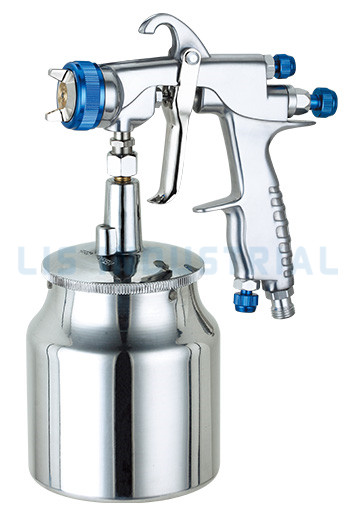
A pressure pot spray gun setup separates the material reservoir from the gun itself, using a sealed pot pressurized by compressed air to push paint through a hose to the gun. This configuration is well suited to continuous spraying sessions, large volume jobs, and gravity-restricted spray angles where a standard cup-mounted gun would be difficult to use. Pressure pot systems also allow operators to use larger material volumes without interrupting work to refill a small cup.
Compared with a standard air paint gun with an attached cup, pressure pot systems generally offer better control over fluid pressure independent of atomizing air pressure, which gives finer control over material output when spraying detailed or vertical surfaces.
How to Clean a Spray Gun Properly
Knowing how to clean a spray gun after every use extends tool life and prevents clogged nozzles on the next job. Residual paint left in the fluid passages hardens over time and affects both spray pattern and atomization quality.
- Empty remaining material from the cup and wipe out visible residue.
- Flush the fluid passage with the appropriate solvent or water depending on the coating type.
- Remove the nozzle and needle assembly to clean trapped material around the seat.
- Clean the air cap holes with a soft brush, avoiding metal tools that can distort the holes.
- Reassemble and run a final test spray with clean solvent to confirm full clearance.
About Ningbo Lis Industrial Co., Ltd.
Ningbo Lis Industrial Co., Ltd. has researched, developed, and manufactured air painting spray gun series, mini air compressors, and related air tools since 1984. Operating from a facility covering over 400,000 square feet with more than 400 employees, the company has grown into one of the largest enterprises in the painting spray gun industry in China, recognized as a national high-tech enterprise.
Products carry CE and GS certification, and manufacturing follows the ISO9000 quality system with stringent control across raw material inspection, in-process quality checks, and 100 percent functional testing of finished spray guns before shipment, supporting consistent performance for both individual and industrial spray gun customers.
Frequently Asked Questions
Q1: What is a spray gun?
A spray gun is a tool that atomizes paint or coating material into fine droplets using compressed air or pressure, creating a smooth and even finish on the target surface.
Q2: How does a spray gun work?
A spray gun mixes air and coating material at the nozzle, breaking the liquid into fine particles that distribute evenly across the surface as the trigger is pulled.
Q3: What are the different types of spray guns?
The main types include HVLP spray guns, LVLP spray guns, conventional spray guns, airless spray guns, and air-assisted airless spray guns, each suited to different materials and project scales.
Q4: What pressure should I use for a spray gun?
Pressure depends on the coating type, generally ranging from 10-25 PSI for HVLP latex application up to 50-70 PSI for thicker industrial primers.
Q5: How do I choose the right nozzle size?
Match the nozzle size to material viscosity, using smaller nozzles for thin coatings like stains and larger nozzles for thicker materials like latex paint.
Q6: How often should I clean my spray gun?
A spray gun should be cleaned after every use to prevent dried material from clogging the nozzle, needle, and air cap passages.
Q7: Can I spray latex paint with an HVLP gun?
Yes, spraying latex paint with HVLP is possible using a larger nozzle size and sometimes a small amount of thinning to allow smooth atomization at low pressure.
Q8: What is a pressure pot spray gun used for?
A pressure pot spray gun is used for continuous, large volume spraying sessions where a separate pressurized material reservoir feeds the gun through a hose.